
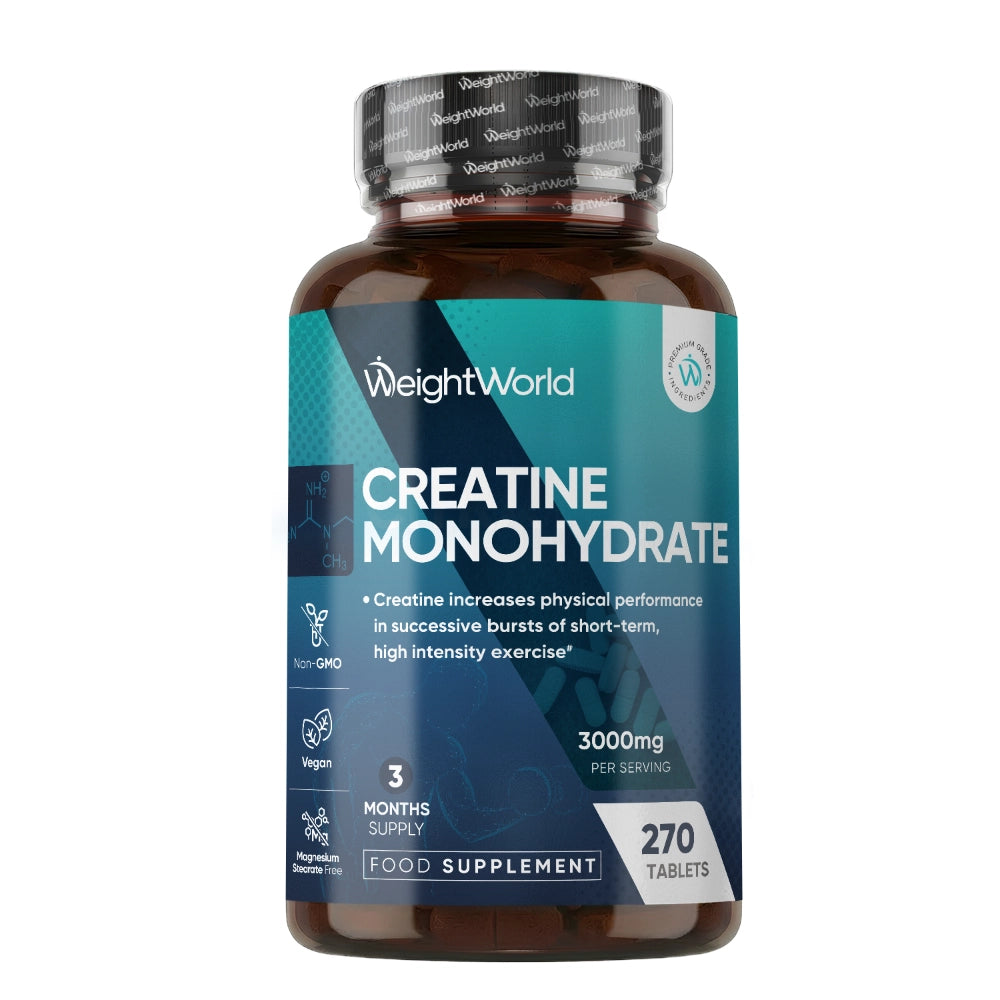
Creatine has become a staple in the supplement regimens of athletes, bodybuilders, and fitness enthusiasts alike because it delivers measurable improvements in strength, power, and muscle recovery. However, not all creatine products are created equal. The quality of the raw material, the manufacturing process, and the form in which it is delivered can dramatically influence how effectively the supplement works. Understanding why premium creatine matters, and how to select it, can turn a good workout into a great one, ensuring that every gram of the supplement contributes to real performance gains.
What Makes Quality Creatine Different?
High-grade creatine monohydrate is characterized by several key attributes that set it apart from lower-cost alternatives:
- Purity level: Reputable manufacturers test for contaminants such as heavy metals, residual solvents, and microbial growth, often achieving purity levels of 99.9% or higher.
- Particle size: Finer particles dissolve more quickly, reducing the gritty texture that can discourage consistent use.
- Manufacturing standards: Good Manufacturing Practice (GMP) certification and third-party testing ensure that each batch meets stringent quality controls.
- Formulation stability: Properly processed creatine maintains its crystalline structure, preventing premature conversion to creatinine, which is less effective.
Why Purity Matters for Performance
When creatine is pure, the body can absorb and store it more efficiently in skeletal muscle cells. This leads to:
Increased Phosphocreatine Stores
- Enhanced ability to regenerate ATP during short, high-intensity efforts.
- Improved sprint speed, jump height, and overall power output.
Better Hydration and Cellular Volume
- Creatine draws water into muscle fibers, promoting a fuller, more anabolic environment.
- Improved cell signaling pathways that support protein synthesis.
Choosing the Right Product: Practical Tips
Finding a premium creatine supplement doesn’t have to be a guessing game. Follow these guidelines to ensure you’re selecting a product that delivers on its promises:
- Check the label for “creatine monohydrate” only. Blends that include fillers or “proprietary blends” may dilute potency.
- Look for third-party certifications. Logos from NSF, Informed-Sport, or USP indicate independent testing.
- Read customer reviews for solubility and taste. High-quality powders typically dissolve in water or juice with minimal residue.
- Consider the source. Products manufactured in facilities with stringent quality controls tend to have more reliable batch consistency.
When you’re ready to make a purchase, searching for a reputable source that offers a transparent supply chain is essential. For example, a simple buy creatine query can lead you to a selection of lab-tested options that meet the standards outlined above.
How to Use Creatine Effectively
Even the highest-quality creatine requires proper dosing and timing to maximize its benefits. The most common protocol includes two phases:
Loading Phase (Optional)
- Consume 20″?g per day, split into 4 doses of 5″?g each, for 5-7 days.
- This rapidly saturates muscle stores, allowing you to experience performance gains sooner.
Maintenance Phase
- Take 3-5″?g per day, preferably post-workout or with a carbohydrate-protein meal to enhance uptake.
- Consistency is key, daily intake maintains elevated phosphocreatine levels.
Staying well-hydrated while supplementing is also crucial, as creatine draws water into muscle cells. Aim for at least 2-3″?L of fluid spread throughout the day.
Potential Side Effects and How to Mitigate Them
Quality creatine is generally safe for most adults, but a few considerations can help avoid common concerns:
- Gastrointestinal discomfort: Split the dose throughout the day or use micronized forms that dissolve more readily.
- Weight gain: The increase is primarily water retention within muscle tissue, which can be beneficial for strength but may affect weight-class athletes.
- Kidney stress: Research shows no adverse effects in healthy individuals, but those with pre-existing kidney conditions should consult a healthcare professional before use.
Bottom Line: Investing in Quality Pays Off
Choosing a high-purity creatine supplement is an investment in your training outcomes. The difference between a product that simply adds a gram of powder to your shaker and one that delivers fully bioavailable creatine can be the margin between plateauing and breaking new personal records. By focusing on purity, manufacturing standards, and proper usage, athletes can harness the full potential of creatine, supporting stronger lifts, faster recovery, and sustained performance gains.
When the decision comes time to buy creatine, prioritize transparency, third-party testing, and clear labeling. The right product will not only complement a disciplined training program but also reinforce a commitment to long-term health and athletic excellence.
