
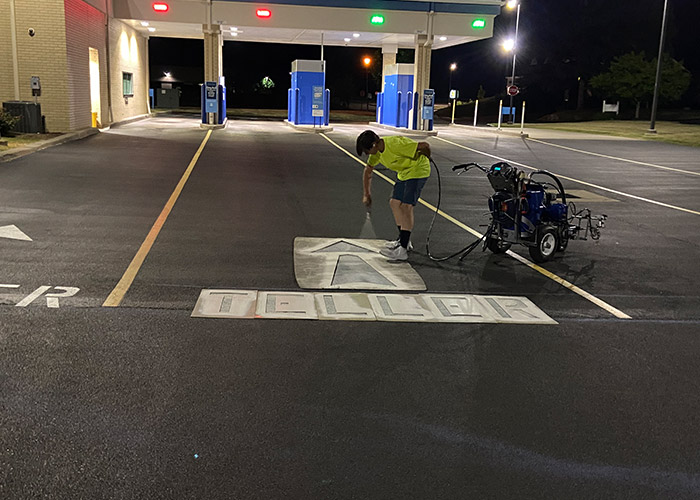
Ensuring that parking lots are accessible to all individuals, regardless of their physical abilities, is a crucial aspect of modern infrastructure planning. ADA compliance, especially in the context of handicap parking striping, is not just a legal requirement but a step toward inclusivity and accessibility. The Americans with Disabilities Act (ADA) sets forth guidelines that help create a built environment where individuals with disabilities can navigate with ease. Proper striping of handicap parking spaces is a key component of this compliance, ensuring that parking facilities are both functional and accessible to everyone.
Understanding ADA Compliance for Handicap Parking
ADA compliance involves meeting specific guidelines aimed at making public spaces accessible to those with disabilities. When it comes to parking lots, this includes:
- Designating an appropriate number of handicap parking spaces.
- Properly marking these spaces with the international symbol of accessibility.
- Ensuring the spaces are of adequate size to accommodate wheelchair ramps and lifts.
- Providing a clearly marked accessible route from the parking area to the building entrance.
For a comprehensive overview of these guidelines, explore further insights here.
The Importance of Professional Striping
Hiring experts in ADA compliant handicap parking striping is essential for several reasons:
- Accuracy: Professionals ensure that all measurements and layouts meet ADA standards, avoiding potential legal issues.
- Durability: High-quality materials and proper application techniques guarantee long-lasting results.
- Visibility: Clear and visible striping enhances safety for all users of the parking facility.
- Compliance: Experts stay updated with the latest ADA regulations, ensuring that all work meets current standards.
Read more about this topic to understand the full scope of benefits provided by professional striping services.
Key Considerations for Handicap Parking Striping
Number of Spaces
The number of handicap parking spaces required is determined by the total number of parking spaces in a lot. The ADA provides specific ratios to follow, ensuring that facilities are adequately equipped to serve individuals with disabilities. Find additional information here on how these ratios are calculated.
Design and Layout
The design of handicap spaces must accommodate the needs of individuals using mobility devices. This includes providing sufficient space for vehicle access and egress, as well as ensuring that routes to building entrances are unobstructed and accessible. Learn more in this detailed guide about effective layout strategies.
Maintaining ADA Compliance
Regular maintenance of parking lot striping is crucial to maintaining ADA compliance. Over time, paint can fade and markings can become less visible, compromising both accessibility and safety. It is recommended to regularly inspect parking facilities and reapply striping as needed to ensure ongoing compliance with ADA standards.
Keeping up with these requirements not only helps avoid potential fines and legal challenges but also demonstrates a commitment to inclusivity and accessibility within the community.
