
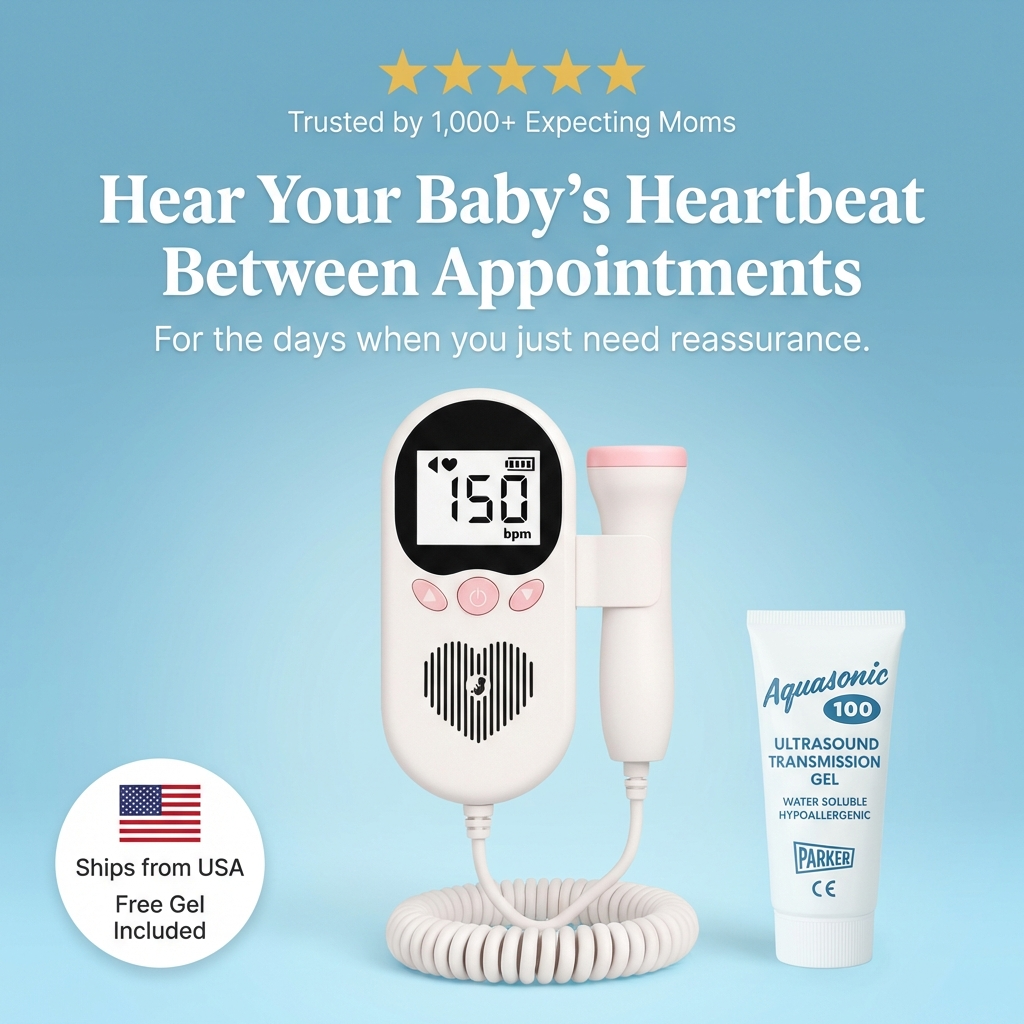
Pregnancy is a period filled with anticipation, joy, and sometimes, anxiety. Monitoring the health and well-being of the growing fetus is a top priority for expectant parents and healthcare providers alike. Advancements in medical technology have made it easier to keep an eye on fetal development and detect any potential issues early on. One such technological marvel is the fetal Doppler device, which allows for the non-invasive monitoring of a baby’s heartbeat. This tool has become an essential resource for many during pregnancy, offering reassurance and insight into fetal health.
Understanding Fetal Doppler Devices
Fetal Doppler devices are portable ultrasound instruments that use sound waves to detect the fetal heartbeat. These devices are commonly used in clinical settings and can also be found in home versions for personal use. The principle behind the Doppler device is the Doppler effect, where sound waves change in frequency when they reflect off moving objects”?in this case, the fetal heart.
Key Features
- Non-invasive: Safe for both mother and fetus, allowing frequent monitoring without risk.
- Portable: Compact design facilitates use at home or on the go.
- Easy to Use: Requires minimal training, making it accessible for personal monitoring.
Benefits of Using Fetal Doppler Devices
The use of fetal Doppler devices brings several advantages to pregnancy monitoring:
- Peace of Mind: Regularly hearing the fetal heartbeat can alleviate concerns about fetal health.
- Early Detection: Allows for early identification of potential issues, enabling timely intervention.
- Enhanced Bonding: Listening to the baby’s heartbeat can strengthen the emotional connection between expectant parents and their unborn child.
For more detailed information on how these devices contribute to pregnancy wellness, explore resources on Fetal Doppler for Pregnancy Monitoring.
When and How to Use a Fetal Doppler
While fetal Doppler devices offer numerous benefits, it’s crucial to use them appropriately to maximize their effectiveness and safety.
Optimal Timing
Fetal heartbeats can typically be detected by a Doppler device from around 10 to 12 weeks of pregnancy. However, it may be more challenging to find the heartbeat earlier in the pregnancy, so patience and practice are essential.
Proper Usage Guidelines
- Consult a Healthcare Provider: Always discuss with a doctor or midwife before using a Doppler at home to ensure proper usage and interpretation of results.
- Follow Instructions: Carefully adhere to the manufacturer’s instructions to avoid misuse.
- Limit Use: Avoid excessive use to prevent unnecessary anxiety or misinterpretation of results.
Considerations and Precautions
While fetal Doppler devices are generally considered safe, some precautions should be considered:
- Professional Guidance: It is not a substitute for professional prenatal care. Regular check-ups with a healthcare provider remain essential.
- Avoid Over-Reliance: Use the device as a supplementary tool rather than the sole method of monitoring fetal health.
- Quality Assurance: Purchase devices from reputable sources to ensure accuracy and safety.
Incorporating a fetal Doppler into a comprehensive prenatal care regimen can enhance monitoring efforts and provide additional comfort during pregnancy. For more insights on this topic, visit the Fetal Doppler for Pregnancy Monitoring page.
Conclusion
Fetal Doppler devices serve as valuable tools in the realm of prenatal care, offering a window into the womb that is both comforting and informative. By enabling parents and healthcare providers to monitor the fetal heartbeat with ease, these devices play a crucial role in promoting fetal health and maternal peace of mind. As technology continues to advance, the accessibility and effectiveness of such devices are likely to improve, further enhancing their role in pregnancy monitoring.
