
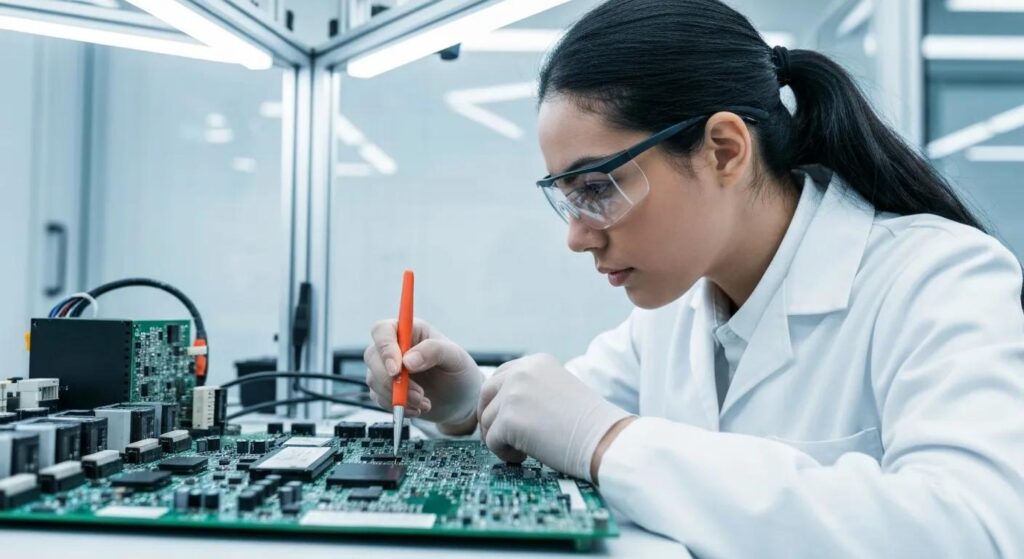
Electrical systems are the backbone of modern infrastructure, powering everything from residential homes to large industrial complexes. However, when these systems malfunction, they can lead to significant disruptions and potential safety hazards. Professional electrical troubleshooting services are essential in diagnosing and resolving these issues efficiently and safely. These services ensure that electrical systems operate optimally, minimizing downtime and preventing costly repairs.
Understanding Electrical Troubleshooting
Electrical troubleshooting involves a systematic approach to identify and rectify faults in electrical circuits and systems. This process requires a deep understanding of electrical principles, components, and safety standards. By employing various diagnostic tools and techniques, electrical professionals can pinpoint the source of a problem and implement effective solutions.
Common Electrical Issues
Electrical systems can encounter a range of issues, including:
- Faulty wiring or connections
- Overloaded circuits
- Tripped circuit breakers or blown fuses
- Electrical surges or spikes
- Malfunctioning outlets or switches
- Lighting issues
Understanding these common issues is the first step in effective troubleshooting. Learn more in this detailed guide.
The Importance of Professional Services
Engaging professional electrical troubleshooting services ensures that issues are not only addressed quickly but also correctly. Here are several reasons why professional services are crucial:
- Expertise and Experience: Skilled technicians possess the necessary knowledge and experience to handle complex electrical problems.
- Safety: Electrical work can be hazardous. Professionals follow stringent safety protocols to protect both themselves and their clients.
- Comprehensive Solutions: Professionals can provide thorough solutions that address the root cause of issues, preventing future problems.
- Efficiency: With proper tools and techniques, professionals can resolve issues more quickly, minimizing downtime.
Explore further insights here.
Tools and Techniques in Electrical Troubleshooting
Effective troubleshooting requires the right tools and techniques. Professionals utilize advanced equipment such as:
- Multimeters for measuring voltage, current, and resistance
- Clamp meters for non-contact current measurements
- Oscilloscopes for analyzing waveforms
- Insulation testers to assess insulation integrity
- Infrared cameras for detecting thermal anomalies
Combined with their technical expertise, these tools enable professionals to diagnose issues accurately and efficiently. Find additional information here.
Preventive Measures for Electrical Systems
Regular maintenance and inspections are key to preventing electrical issues. Here are some preventive measures to consider:
- Routine inspections to identify potential hazards
- Regular testing of electrical components
- Updating outdated wiring and components
- Installing surge protection devices
- Educating users on safe electrical practices
These measures help maintain the reliability and safety of electrical systems. Read more about this topic.
