
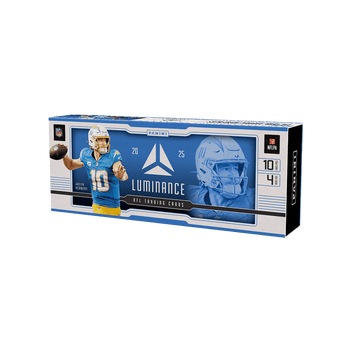
Collecting rare vintage trading cards has evolved from a nostalgic hobby into a sophisticated investment strategy. The thrill of uncovering a forgotten gem, the historical narrative embedded in each card, and the potential for significant appreciation combine to make this pursuit both rewarding and intellectually stimulating. For enthusiasts seeking to elevate their collections, understanding market dynamics, authentication methods, and proper preservation techniques is essential. This guide outlines the key considerations for acquiring, evaluating, and maintaining vintage cards, ensuring that each addition enhances both the aesthetic and monetary value of the collection.
Why Vintage Trading Cards Remain Highly Sought-After
Even in an era dominated by digital collectibles, physical cards from earlier decades command premium prices. Several factors contribute to their enduring appeal:
- Historical Significance: Cards produced during the formative years of sports and pop culture capture moments that cannot be replicated.
- Limited Print Runs: Early manufacturing techniques resulted in smaller, often unevenly distributed batches, creating natural scarcity.
- Condition Sensitivity: A well-preserved card from the 1950s can be exponentially more valuable than a similar card in poor condition.
- Collector Community: A robust network of seasoned collectors, dealers, and grading services sustains demand and provides reliable market data.
Identifying Authentic Vintage Cards
Authentication is the cornerstone of any serious acquisition. While the excitement of a find can be intoxicating, a methodical approach prevents costly mistakes.
Key Authentication Steps
- Examine the Card Stock: Older cards often feature thicker, uncoated paper or early cardboard substrates. Compare texture and weight to known authentic examples.
- Check Print Techniques: Look for tell-tale signs of offset printing, hand-cut edges, or early color processes such as lithography.
- Verify Serial Numbers and Logos: Many vintage series included manufacturer marks, set numbers, or limited-edition identifiers that can be cross-referenced with reputable databases.
- Consult Professional Grading Services: Organizations like PSA, Beckett, and SGC provide third-party verification and assign condition grades that influence market value.
Where to Source Rare Vintage Cards
Finding high-quality cards requires navigating both online and offline marketplaces. Reputable platforms often feature curated selections, detailed condition reports, and buyer protection policies.
- Specialized Trading Card Store that focuses on vintage inventory.
- Dedicated Sports Card Store offering authenticated runs from the 1960s-1990s.
- Comprehensive Online Sports Card Store with searchable archives and filter options for era, sport, and condition.
- Collections featuring authentic Vintage Trading Cards sourced directly from estate sales and private collections.
- Broader Sports Memorabilia Store that includes complementary items such as autographed programs and game-used equipment.
Preservation Best Practices
Maintaining peak condition is vital for both aesthetic enjoyment and resale potential. Implementing proper storage and handling protocols safeguards cards against environmental damage.
Storage Solutions
- Acid-Free Sleeves: Use archival-grade polypropylene or Mylar sleeves to prevent chemical degradation.
- Hard-Back Cases: For high-value pieces, invest in rigid, tamper-evident cases that provide physical protection.
- Temperature & Humidity Control: Keep cards in a climate-controlled environment (ideally 65-70??F and 40-50% RH) to avoid warping or mold.
- UV-Filtering Display Frames: If displaying cards, choose frames that block UV light, which can fade inks over time.
Handling Guidelines
- Wash and dry hands thoroughly before touching cards.
- Handle cards by the edges; avoid contact with the front or back surfaces.
- Limit exposure to direct sunlight and fluctuating temperatures.
- Rotate displayed cards periodically to distribute light exposure evenly.
Evaluating Investment Potential
While passion drives most collections, understanding market trends helps identify cards with strong appreciation prospects.
- Player Legacy: Icons whose influence extends beyond the playing field (e.g., early baseball legends, pioneering basketball stars) tend to retain value.
- Set Rarity: First-edition releases, limited-run inserts, and error cards often experience heightened demand.
- Condition Grade: A difference of one grade level (e.g., PSA 9 vs. PSA 8) can multiply a card’s market price.
- Historical Milestones: Cards commemorating landmark events (championships, record-breaking performances) attract both collectors and historians.
Building a Cohesive Collection
Strategic acquisition creates a narrative that enhances both personal satisfaction and marketability. Consider the following approaches:
- Thematic Focus: Concentrate on a single sport, era, or player to develop depth.
- Chronological Expansion: Start with early issues and progressively add later editions to illustrate the evolution of the sport.
- Mixed-Media Integration: Pair cards with related memorabilia (e.g., ticket stubs, program guides) for a richer storytelling experience.
Conclusion
Upgrading a collection with rare vintage trading cards demands diligence, knowledge, and a respect for the artifacts’ historical context. By mastering authentication techniques, sourcing from trusted outlets, and employing meticulous preservation methods, collectors can safeguard their investments while enjoying the unique stories each card tells. Whether the goal is personal fulfillment or long-term financial growth, a thoughtfully curated vintage collection stands as a testament to both the sport’s heritage and the collector’s discerning eye.
