
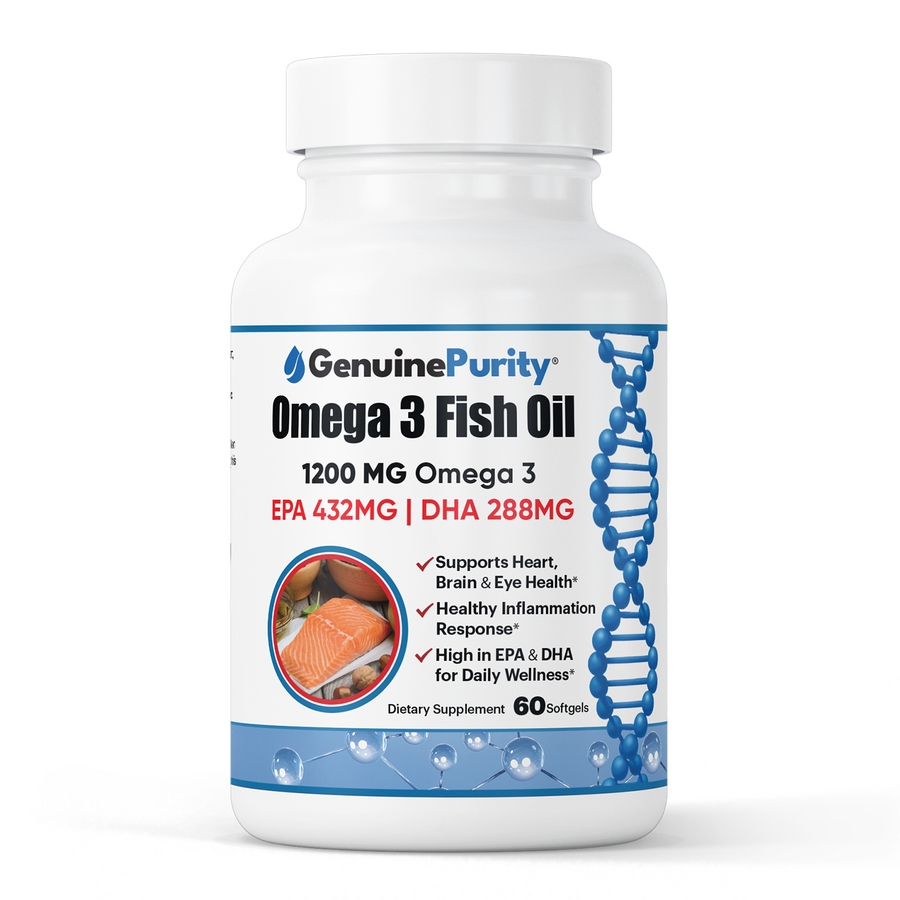
Liquid fish oil has become a staple in many wellness routines because it delivers essential omega-3 fatty acids in a form that the body can readily absorb. These polyunsaturated fats support heart health, cognitive function, joint comfort, and overall cellular balance. Understanding how liquid fish oil works, the optimal dosage, and the factors that determine product quality can help consumers make informed choices that align with their health goals.
Why Choose Liquid Fish Oil?
Compared with soft-gel capsules, liquid fish oil offers several practical advantages:
- Higher bioavailability: The oil is already in a liquid state, reducing the digestive work required to break down a capsule shell.
- Customizable dosing: Droppers allow precise measurement, making it easy to adjust intake for children, athletes, or individuals on medication.
- Ease of consumption: Those who have difficulty swallowing pills find liquid formats more convenient.
- Versatility: The oil can be mixed into smoothies, salads, or sauces without altering flavor significantly.
Key Health Benefits of Liquid Fish Oil
Cardiovascular Support
EPA (eicosapentaenoic acid) and DHA (docosahexaenoic acid) help maintain healthy triglyceride levels, support normal blood pressure, and promote arterial flexibility. Regular intake is associated with a reduced risk of coronary events.
Cognitive Function & Mood
DHA is a major structural component of brain cell membranes. Adequate DHA supports memory, focus, and mental clarity, while EPA influences neurotransmitter pathways that affect mood stability.
Joint & Inflammatory Health
Omega-3s possess anti-inflammatory properties that can alleviate stiffness and discomfort in joints, making them a valuable addition for active individuals and those with mild arthritic symptoms.
Determining the Right Dosage
Dosage varies based on age, health status, and specific goals. General guidelines are:
- General wellness: 500″?mg-1″?g of combined EPA”?+”?DHA per day.
- Heart health: 1″?g-3″?g of EPA”?+”?DHA daily, as recommended by many cardiovascular societies.
- Pregnancy & lactation: 200″?mg-300″?mg DHA per day to support fetal brain development.
- Athletic recovery: 2″?g-4″?g of EPA”?+”?DHA split into two doses to aid inflammation control.
Because liquid fish oil is measured by drops, it is essential to read the product label for the exact EPA/DHA concentration per milliliter. For personalized guidance, Discover expert strategies here and consult a healthcare professional.
Quality Indicators to Look For
Not all liquid fish oils are created equal. High-quality products share several common characteristics:
- Purity testing: Third-party verification for heavy metals, PCBs, and dioxins.
- Oxidation level: Low peroxide value (PV) indicates freshness; a high PV suggests rancidity.
- Source transparency: Wild-caught, cold-water fish such as anchovy, sardine, or mackerel are preferred.
- Stabilization: Natural antioxidants like vitamin”?E are added to protect against oxidation.
- Packaging: Dark glass bottles or nitrogen-flushed containers minimize light and air exposure.
When evaluating options, Learn about our tailored solutions that meet these stringent standards, ensuring each dose delivers the intended health benefits.
How to Incorporate Liquid Fish Oil Into Your Routine
- Morning smoothie: Add 1″?ml (approximately 20″?drops) to a fruit-based shake for a nutrient-rich start.
- Salad dressing: Mix with olive oil, lemon juice, and herbs for a heart-healthy vinaigrette.
- Evening tea: A small dose can be taken with warm water or herbal tea if the flavor is tolerable.
- Pre-workout: Pair with a carbohydrate snack to aid muscle recovery post-exercise.
For additional ideas on maximizing absorption, Explore advanced guides and tips that address timing, food pairing, and storage best practices.
Storage and Shelf Life
To preserve potency:
- Store in a cool, dark place, refrigeration is ideal after opening.
- Keep the bottle tightly sealed to limit oxygen exposure.
- Consume within 6-12 months of opening, depending on the manufacturer’s recommendation.
Proper storage prevents oxidation, which can diminish both flavor and efficacy. For more detailed storage recommendations, Find out more about this approach.
Potential Side Effects and Interactions
Liquid fish oil is generally safe, but some individuals may experience mild gastrointestinal discomfort, fishy aftertaste, or increased bleeding risk at very high doses. Those on anticoagulant medication should discuss dosage with a physician.
Conclusion
Liquid fish oil offers a flexible, bioavailable source of EPA and DHA that can support cardiovascular health, brain function, and joint comfort. Selecting a product with verified purity, low oxidation, and transparent sourcing is essential for achieving the intended benefits. By understanding appropriate dosage, incorporating the oil into daily meals, and following proper storage practices, consumers can confidently integrate liquid fish oil into a comprehensive wellness strategy.
