
Persistent skin concerns such as stubborn hyperpigmentation, chronic acne, fine lines, and uneven texture often require more than a basic routine. While daily cleansing and moisturizing are essential, they may not address the deeper physiological imbalances that keep these issues resurfacing. Corrective skincare solutions combine targeted actives, professional treatments, and lifestyle adjustments to restore skin health at the cellular level. By understanding the underlying mechanisms and selecting evidence-based interventions, individuals can achieve lasting improvement rather than temporary masking.
Identifying the Root Causes
Before implementing any corrective regimen, it is crucial to pinpoint the factors that perpetuate the problem. Common contributors include:
- Hormonal fluctuations that stimulate excess sebum production.
- Inflammatory responses triggered by environmental pollutants.
- Disrupted skin barrier leading to moisture loss and increased sensitivity.
- Genetic predisposition to melanin overproduction or collagen degradation.
Accurate assessment often involves a combination of visual examination, patient history, and, when necessary, non-invasive diagnostic tools. Understanding these variables guides the selection of appropriate actives and procedural options.
Core Components of a Corrective Skincare Protocol
1. Barrier Restoration
A compromised barrier allows irritants to penetrate, exacerbating inflammation and slowing healing. Key ingredients for barrier repair include:
- Niacinamide – strengthens lipid synthesis and reduces redness.
- Ceramides – replenish essential skin lipids.
- Panthenol (Vitamin B5) – promotes moisture retention and soothing.
Integrating these ingredients early in the routine creates a stable foundation for subsequent treatments. Read more about this topic.
2. Targeted Exfoliation
Gentle, consistent exfoliation removes dead cells, improves product penetration, and stimulates cellular turnover. Options include:
- Alpha-hydroxy acids (AHAs) – ideal for surface texture and hyperpigmentation.
- Beta-hydroxy acid (BHA) – penetrates pores to clear congestion.
- Enzymatic exfoliants – suitable for sensitive skin.
Choosing the correct concentration and frequency is vital to avoid barrier disruption. Learn more in this detailed guide.
3. Active Ingredients for Specific Concerns
Once the barrier is stable, introduce actives that directly address the persistent issue:
- Hyperpigmentation: Tranexamic acid, vitamin C, and licorice root extract inhibit melanin synthesis.
- Acne & Inflammation: Azelaic acid, tea tree oil, and low-dose retinoids reduce bacterial growth and inflammation.
- Fine Lines & Loss of Elasticity: Peptides, retinol, and growth factors stimulate collagen production.
These ingredients work synergistically when layered correctly, typically applying water-soluble actives before oil-based formulations.
Professional Interventions Complementing At-Home Care
While topical products are indispensable, certain skin concerns benefit from in-office procedures that accelerate results.
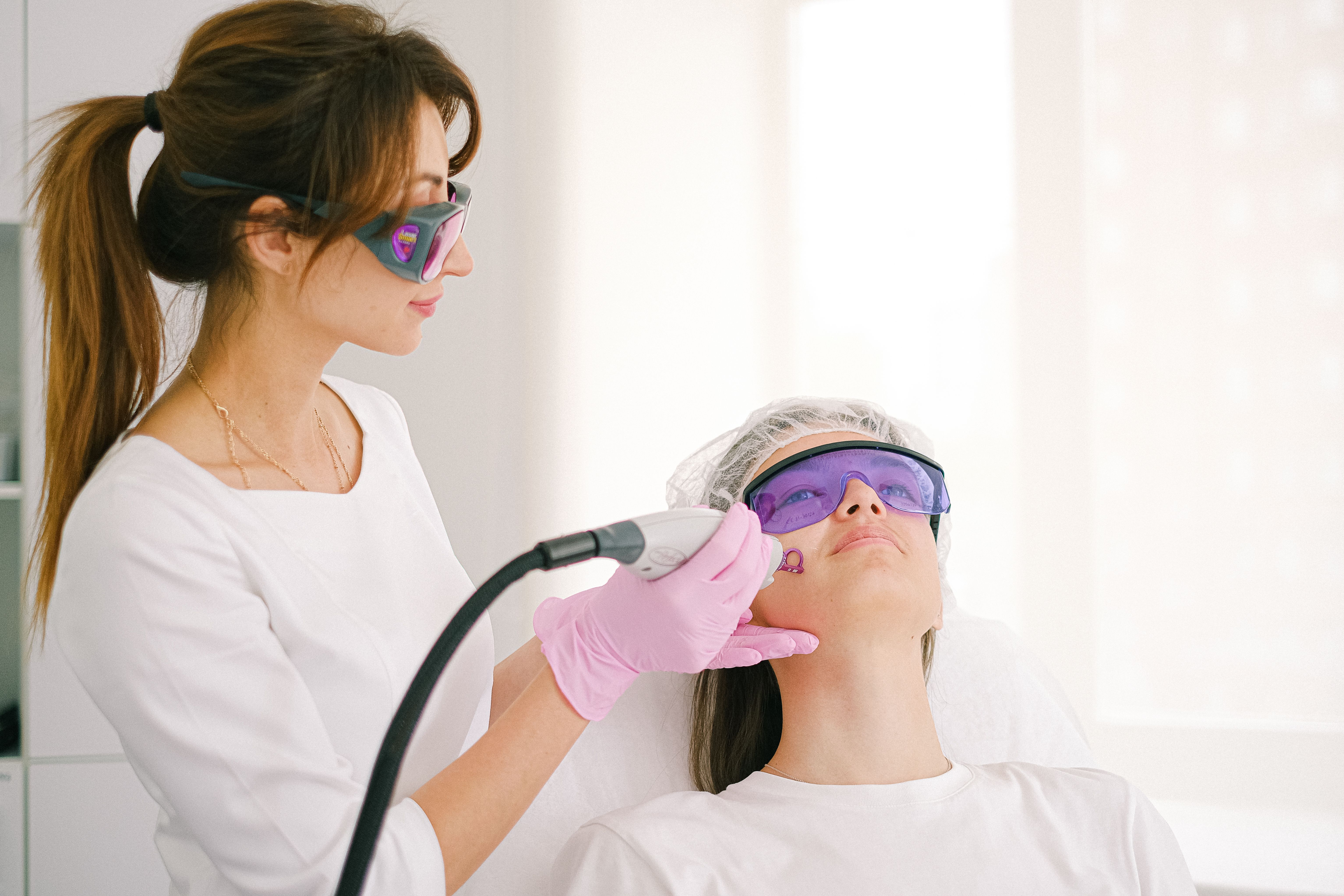
Laser and Light Therapies
Non-ablative lasers target melanin and vascular lesions, while fractional lasers stimulate deeper collagen remodeling. These treatments are especially effective for stubborn discoloration and textural irregularities.
Microneedling
Creating controlled micro-injuries triggers a natural wound-healing cascade, enhancing the delivery of topical actives and promoting new collagen formation. Combining microneedling with serums containing hyaluronic acid or peptides maximizes benefit.
Chemical Peels
Superficial to medium-depth peels (AHA/BHA blends) provide rapid exfoliation and can be customized based on skin type and concern severity. Proper post-peel care, including barrier support, is essential to prevent irritation.
For a comprehensive overview of how these procedures integrate with daily regimens, Explore further insights here.
Lifestyle Factors that Influence Skin Health
Skincare does not exist in isolation. Nutrition, sleep, and stress management play pivotal roles in the skin’s ability to repair itself.
- Diet: Antioxidant-rich foods (berries, leafy greens) combat oxidative stress, while adequate omega-3 fatty acids support barrier integrity.
- Hydration: Consistent water intake maintains cellular turgor and assists in toxin elimination.
- Sleep: Growth hormone release during deep sleep facilitates tissue regeneration.
- Stress Reduction: Practices such as meditation or moderate exercise lower cortisol, which can otherwise exacerbate acne and inflammation.
Building a Sustainable Routine
Effective corrective skincare is a marathon, not a sprint. Consider the following framework to ensure consistency and adaptability:
- Assessment Phase (Weeks 1-2): Focus on barrier repair and gentle exfoliation; monitor tolerance.
- Active Integration Phase (Weeks 3-8): Introduce targeted actives one at a time, observing results and any adverse reactions.
- Maintenance Phase (Month 3+): Stabilize the routine, incorporate periodic professional treatments, and adjust actives seasonally.
Regularly revisiting the assessment phase when new concerns arise helps maintain long-term skin resilience.
Conclusion
Persistent skin concerns require a multi-dimensional approach that blends barrier support, precise exfoliation, targeted actives, professional procedures, and healthy lifestyle choices. By systematically addressing the underlying causes and tailoring interventions to individual needs, lasting improvement becomes attainable. For deeper exploration of corrective strategies and evidence-based recommendations, Find additional information here.
