
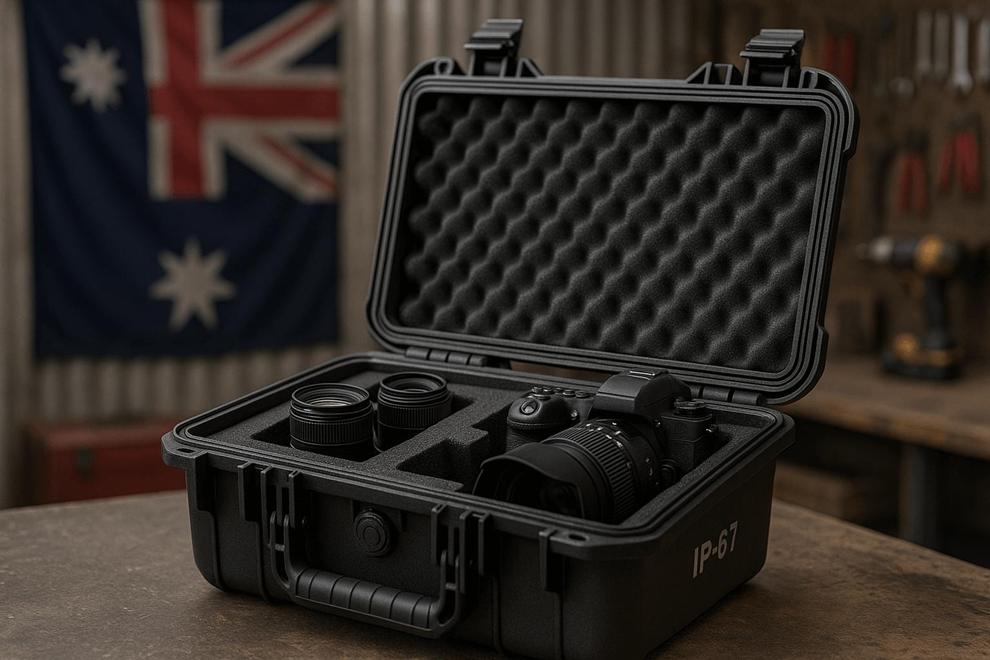
Military equipment cases must endure harsh environments, from desert heat to jungle humidity. One of the most vulnerable components inside these cases is the delicate electronics and optics that can be ruined by moisture intrusion. Custom foam inserts provide a dual function: they secure equipment in place and act as a barrier against condensation, spills, and ambient humidity. By tailoring the foam’s density, shape, and material composition, these inserts can be optimized for both protection and ease of access, ensuring mission-critical gear remains operational when it matters most.
Why Moisture Protection Is Critical for Military Cases
Moisture can cause a cascade of failures in tactical gear:
- Corrosion: Metal contacts and fasteners rust, leading to intermittent connections.
- Short Circuits: Water bridges across circuit boards, disabling communication devices.
- Mold and Mildew: Organic materials such as leather straps or fabric linings degrade, compromising durability.
- Optical Fogging: Lenses and sighting devices lose clarity, reducing effectiveness.
Addressing these risks starts with the interior of the case. A well-designed foam insert not only cushions but also absorbs and redirects moisture away from sensitive components.
Design Features of Effective Custom Foam Inserts
Material Selection
Choosing the right foam type is essential. Closed-cell polyurethane and high-density EVA are popular because they:
- Resist water absorption.
- Maintain structural integrity across temperature extremes.
- Provide shock attenuation.
Precision Cutting and Fit
Precision CNC cutting ensures each cavity matches the exact dimensions of the equipment. This eliminates movement that could create gaps where moisture can pool. For detailed guidance on achieving a perfect fit, Discover expert strategies here.
Integrated Drainage Paths
Strategically placed channels or vented sections within the foam allow any accidental water ingress to escape rather than linger. These pathways are often incorporated during the design phase, ensuring they do not compromise the protective envelope.
Benefits of Custom Foam Inserts in Field Operations
- Enhanced Equipment Longevity: Reduces the need for frequent maintenance or replacement.
- Rapid Deployment: Pre-molded slots enable quick loading and unloading under pressure.
- Weight Management: Tailored foam density avoids unnecessary bulk while preserving protection.
- Environmental Adaptability: Inserts can be engineered for specific climates, from arctic cold to tropical humidity.
Implementation Process: From Concept to Ready-to-Use Insert
Creating a custom foam solution involves several coordinated steps:
- Assessment of Gear: Catalog every item to be stored, noting dimensions, fragility, and moisture sensitivity.
- Design Drafting: Use CAD software to map out cavities, drainage routes, and reinforcement zones.
- Material Testing: Evaluate foam samples for water resistance, compression set, and impact absorption.
- Prototype Production: Generate a small batch using CNC routers to verify fit and function.
- Field Validation: Deploy the prototype in realistic conditions and monitor performance.
- Final Production: Scale up manufacturing once the design meets all operational criteria.
For a deeper dive into the technical considerations that guide each stage, Learn about our tailored solutions.
Maintenance Tips for Foam-Equipped Cases
- Inspect foam inserts regularly for signs of compression or water staining.
- Allow cases to dry completely before resealing after exposure to rain or high humidity.
- Replace inserts that show permanent deformation to maintain protective performance.
- Store cases in a climate-controlled environment when not in active use.
Future Trends in Foam Technology for Military Applications
Advancements are shaping the next generation of protective inserts:
- Nanocomposite Foams: Incorporating graphene or silica nanoparticles to boost strength while remaining lightweight.
- Self-Healing Materials: Foams that can reseal minor cuts, extending service life.
- Smart Sensors: Embedded moisture sensors that trigger alerts when humidity thresholds are exceeded.
Staying informed about these developments can give units a tactical edge. To explore the latest guidelines and practical advice, Explore advanced guides and tips.
Conclusion
Custom foam inserts are more than just cushioning, they are a critical line of defense against moisture for military cases. By selecting appropriate materials, employing precision cutting, and integrating drainage features, these inserts safeguard expensive and mission-essential equipment from corrosion, short circuits, and degradation. Proper design, rigorous testing, and routine maintenance ensure that the protective benefits endure throughout the harshest deployments, ultimately enhancing operational readiness and equipment longevity.
