
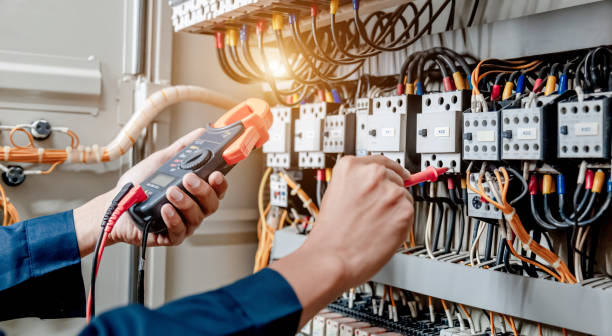
Electrical systems are an integral part of every modern home, providing the necessary power to run appliances, lighting, and other essential devices. Regular maintenance of these systems is crucial not only to ensure their efficiency but also to prevent potential hazards. Accidents related to electrical failures can lead to significant damage and safety risks. Therefore, understanding the importance of electrical maintenance and implementing regular checks can safeguard homes from unforeseen electrical issues.
Understanding Electrical Maintenance
Electrical maintenance involves a series of proactive measures designed to keep the electrical systems in a home running smoothly. It incorporates routine inspections, testing, and servicing of electrical components to prevent issues and extend their lifespan. Key components of electrical maintenance include:
- Inspection of electrical panels and wiring for any signs of wear or damage.
- Testing of circuit breakers and fuses to ensure proper functioning.
- Regular checks of outlets and switches for overheating or malfunction.
- Verification of grounding systems to prevent electrical shocks.
Discover expert strategies here to implement these practices effectively in your home.
Benefits of Regular Electrical Maintenance
Keeping up with regular electrical maintenance offers numerous advantages that extend beyond safety. Some of the key benefits include:
- Enhanced Safety: Regular checks can identify and rectify potential hazards, reducing the risk of electrical fires and shocks.
- Cost Efficiency: Identifying issues early can prevent costly repairs and replacements in the future.
- Increased Efficiency: Well-maintained systems operate more efficiently, potentially lowering energy bills.
- Extended Equipment Lifespan: Proper maintenance can prolong the life of electrical components, providing better value over time.
Learn about our tailored solutions that enhance these benefits for homeowners.
How to Conduct Electrical Maintenance
Developing a Routine
Developing a routine is essential for effective electrical maintenance. Consider the following steps:
- Schedule regular inspections, ideally twice a year, to ensure all systems are functioning correctly.
- Keep a record of inspections and any repairs conducted, noting any recurring issues.
- Train household members on basic electrical safety practices to prevent misuse of electrical systems.
Explore advanced guides and tips on setting up an effective maintenance routine.
When to Call a Professional
While some maintenance tasks can be carried out by homeowners, certain situations require professional expertise:
- Persistent tripping of circuit breakers or blown fuses.
- Unusual noises or burning smells from electrical outlets or panels.
- Frequent flickering or dimming of lights.
- Need for rewiring or installation of new electrical systems.
Find out more about this approach to determining when to seek professional help.
Conclusion
Electrical maintenance is a critical aspect of home safety that should not be overlooked. By understanding the components of electrical systems and engaging in routine checks, homeowners can protect themselves from potential hazards and ensure the efficient operation of their electrical systems. For more detailed guidance and expert advice, consider consulting with professionals who specialize in electrical maintenance.
