
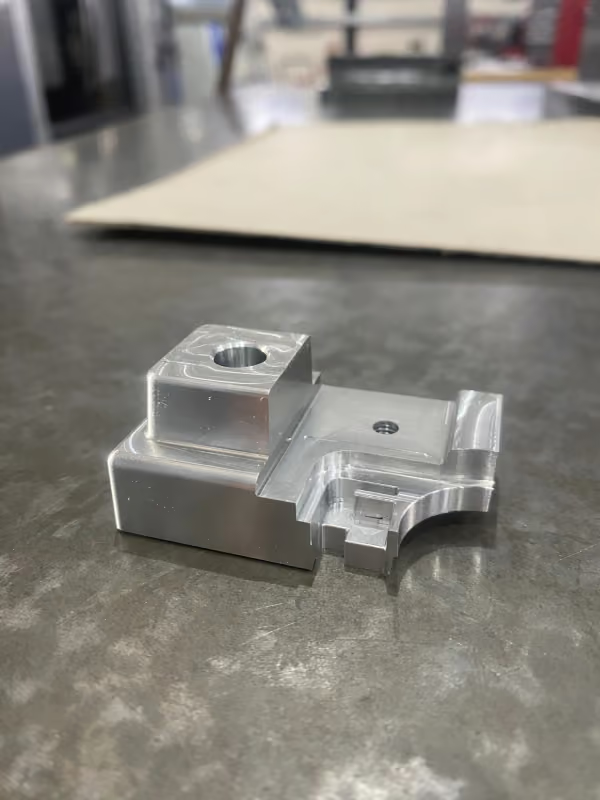
The manufacturing of plastic products is a complex yet fascinating process that involves several crucial steps to ensure the final product meets the desired specifications and standards. From the initial concept to the finished item, each stage of the manufacturing process is vital in achieving high-quality results. This article delves into the essential steps involved in plastic product manufacturing, offering insight into the meticulous processes that define the industry.
Conceptualization and Design
Before manufacturing begins, the initial step is to conceptualize and design the product. This phase involves:
- Understanding the product’s purpose and requirements.
- Creating detailed sketches and CAD drawings.
- Selecting appropriate materials based on the product’s intended use.
Effective design is crucial as it lays the foundation for all subsequent manufacturing stages. To discover expert strategies here, understanding the nuances of design can significantly impact the quality and functionality of the final product.
Prototyping
Once the design is finalized, the next step is prototyping. This stage involves creating a sample or model of the product to test and refine the design. Key aspects of prototyping include:
- Testing the product’s functionality and performance.
- Identifying any design flaws or areas for improvement.
- Utilizing rapid prototyping techniques, such as 3D printing, to quickly produce models.
Prototyping is an iterative process that ensures the design is viable and ready for production. Learn about our tailored solutions to enhance the prototyping phase.
Material Selection
Choosing the right material is critical in manufacturing plastic products. Factors to consider include:
- The product’s durability and strength requirements.
- Environmental conditions it will be exposed to.
- Cost-effectiveness and sustainability of the material.
Material selection impacts not only the product’s performance but also its environmental footprint. Explore advanced guides and tips on choosing the best materials for specific applications.
Manufacturing Processes
Once the design and materials are finalized, the manufacturing process can begin. Various methods are employed, depending on the product’s complexity and requirements. These include:
Injection Molding
This is one of the most common methods for producing plastic products. It involves:
- Melting plastic pellets and injecting them into a mold.
- Allowing the plastic to cool and harden.
- Ejecting the finished product from the mold.
Injection molding is ideal for producing high volumes of identical parts efficiently.
Blow Molding
Used primarily for hollow products, blow molding involves:
- Inflating heated plastic into a mold cavity.
- Forming the plastic into the desired shape as it cools.
- Commonly used for bottles and containers.
Find out more about this approach here to optimize production methods.
Thermoforming
This process involves heating a plastic sheet and forming it over a mold. Key points include:
- Used for creating large, thin-walled parts.
- Common in packaging, such as clamshell containers.
- Cost-effective for smaller production runs.
Quality Control and Testing
Ensuring the product meets quality standards is crucial. This involves:
- Conducting rigorous testing for strength, durability, and safety.
- Inspecting products for defects or inconsistencies.
- Adhering to industry standards and regulations.
Quality control is essential to maintaining the integrity and reputation of the manufacturing process.
Conclusion
The journey from idea to finished product in plastic manufacturing is intricate and multi-faceted. Each step, from design to quality control, plays a pivotal role in ensuring the successful production of plastic items. For those interested in delving deeper into these manufacturing steps, explore advanced guides and tips available to enhance understanding and application in the field.
