
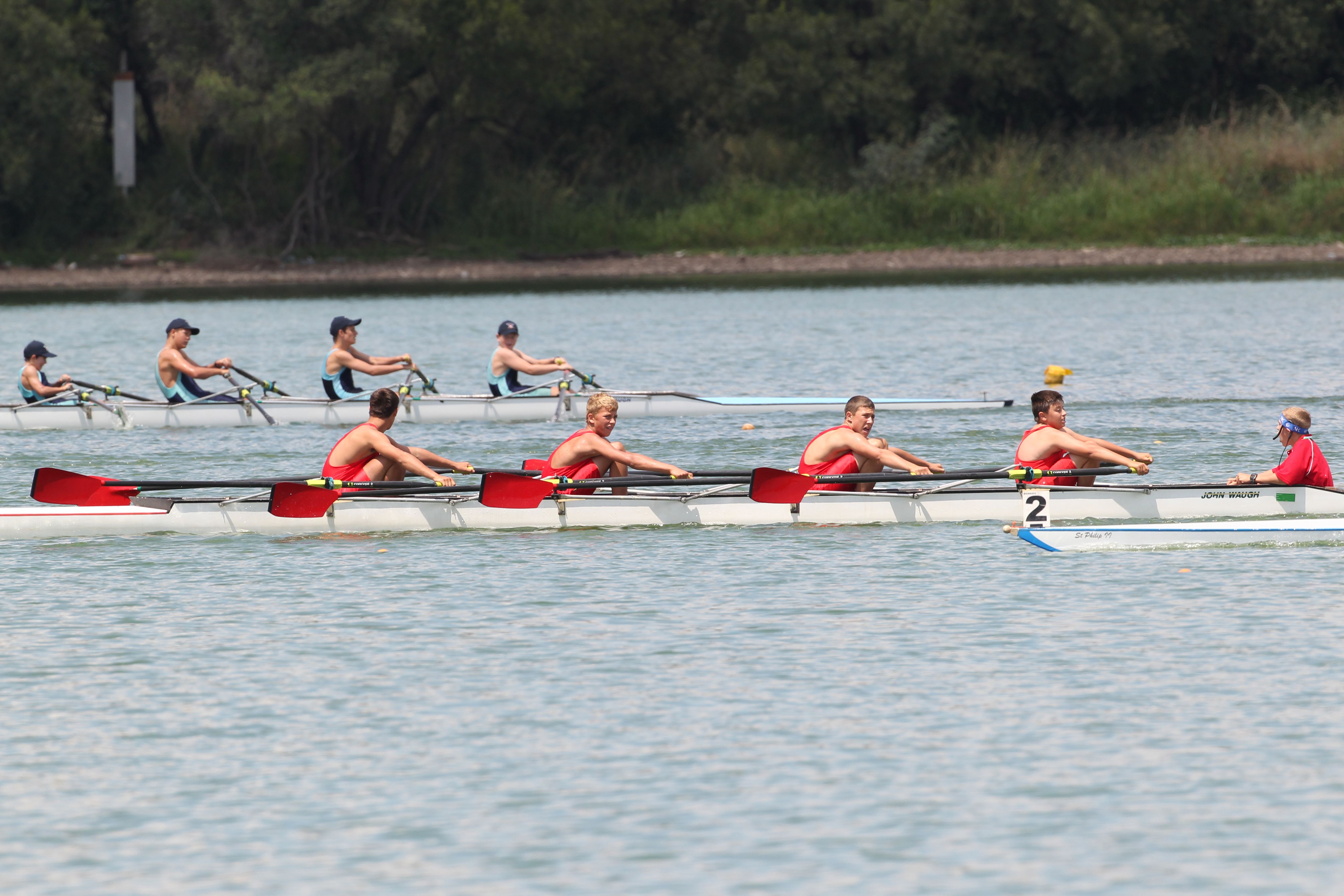
Rowing is an exhilarating sport that requires a blend of strength, endurance, and technique. Whether you are an aspiring athlete or an enthusiastic beginner, mastering rowing demands dedication and a well-structured training program. A personalized approach to rowing ensures that individual strengths and weaknesses are addressed, leading to improved performance and reduced risk of injury. By tailoring your training sessions, you can focus on enhancing specific skills and achieving your rowing goals efficiently.
Understanding the Basics of Rowing
Before diving into a personalized training program, it is crucial to understand the fundamental aspects of rowing. This includes:
- Proper rowing technique: Mastering the catch, drive, finish, and recovery phases.
- Equipment familiarity: Understanding the parts of a rowing shell and how to maintain them.
- Safety measures: Ensuring a safe rowing environment and preventing common injuries.
To gain a deeper understanding of these basics, explore advanced guides and tips by visiting this comprehensive resource.
Designing Your Personalized Training Program
Assessing Your Current Fitness Level
Evaluating your current fitness level is essential in designing an effective training program. Consider the following:
- Strength and endurance testing: Measure your baseline performance metrics.
- Flexibility and mobility assessment: Identify areas that require improvement.
- Technique analysis: Capture and review your rowing form to pinpoint technical weaknesses.
Once you have assessed these areas, learn about tailored solutions and how to incorporate them into your regimen by visiting this detailed guide.
Setting Realistic Goals
Establishing clear, attainable goals is a crucial step in any training program. Consider the following aspects:
- Short-term objectives: Focus on improving specific skills, such as stroke rate or power output.
- Long-term ambitions: Plan for larger milestones, such as participating in a regatta or achieving personal bests.
- Regular review: Periodically evaluate your progress and adjust goals as needed.
For guidance on setting effective goals, discover expert strategies here.
Incorporating Cross-Training
Cross-training is vital for developing a well-rounded fitness profile. Consider including:
- Strength training: Focus on exercises that enhance core stability and overall muscular strength.
- Cardiovascular activities: Engage in cycling or swimming to boost endurance without overloading rowing muscles.
- Flexibility routines: Incorporate yoga or Pilates to increase flexibility and prevent injuries.
To find out more about this approach, visit this resourceful page.
Monitoring Progress and Adjusting the Program
Regular monitoring of your progress is essential to ensure the effectiveness of your training program. Keep track of:
- Performance metrics: Record improvements in speed, stamina, and technique.
- Physical health: Monitor for any signs of overtraining or potential injuries.
- Mental well-being: Ensure that the training remains enjoyable and motivating.
Explore more about how to effectively track and adjust your program by visiting this insightful guide.
Conclusion
Mastering rowing with a personalized training program is a journey that requires commitment, strategic planning, and continuous adaptation. By focusing on individual strengths and addressing specific needs, rowers can optimize their performance and reach their full potential. With the right guidance and resources, such as those available at this expert site, rowing enthusiasts can navigate their path to success with confidence and precision.
