
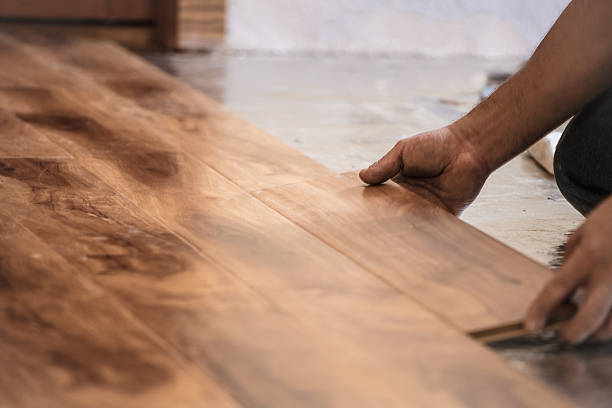
Timber flooring is a timeless choice that adds warmth and elegance to any space. However, the beauty of timber floors can only be fully appreciated when they are finished with precision and expertise. Perfecting timber floor finishing techniques involves understanding the wood’s characteristics, selecting the appropriate finishing products, and applying them with skill and attention to detail. The following sections delve into essential tips and techniques for achieving a flawless timber floor finish.
Understanding Timber Characteristics
Before applying any finish, it is crucial to understand the type of timber used. Different woods have unique properties that affect how they respond to various finishing techniques.
- Hardwood vs Softwood: Hardwoods like oak and mahogany are dense and durable, while softwoods like pine are more susceptible to damage and require gentler handling.
- Grain Patterns: The grain pattern can influence the choice of finish. For example, a clear finish highlights the natural grain, whereas a colored stain might mask it.
- Moisture Content: Wood’s moisture content impacts its stability. Ensure appropriate acclimatization to the environment before finishing.
Discover expert strategies here to select the best finishing approach based on timber characteristics.
Choosing the Right Finish
Selecting the right finish is crucial to achieving both aesthetic appeal and durability. Consider the following options:
- Oil-based Finishes: These provide a deep, rich color and excellent durability. They are ideal for high-traffic areas but require longer drying times.
- Water-based Finishes: These offer a clear, non-yellowing finish and are environmentally friendly. They dry quickly, making them suitable for residential projects.
- Polyurethane Finishes: Available in both oil-based and water-based forms, polyurethanes offer a tough, protective layer that resists wear and tear.
Learn about our tailored solutions here to choose the right finish for your timber floors.
Application Techniques
Surface Preparation
Proper surface preparation is the foundation of any successful finishing project. Follow these steps to ensure an even and smooth surface:
- Sanding: Begin with a coarse grit to remove old finishes and imperfections, then progress to finer grits for a smooth surface.
- Cleaning: Remove all dust and debris with a vacuum and tack cloth to prevent imperfections in the finish.
- Sealing: Apply a quality wood sealer to close the wood’s pores and prevent uneven stain absorption.
Explore advanced guides and tips here for preparing your timber floors effectively.
Finishing Application
The application process of the finish determines the final look and durability. Consider these techniques:
- Brushing: Use a high-quality brush for oil-based finishes to ensure even coverage and penetration.
- Rolling: Ideal for large areas, a roller can help apply finishes quickly and evenly.
- Spraying: Provides the most uniform application but requires skill and the right equipment.
Find out more about this approach here to achieve a flawless finish.
Maintaining the Finished Floor
Once the finish is applied, maintaining it is crucial for long-lasting beauty. Consider these maintenance tips:
- Regular Cleaning: Use a damp mop and mild cleaner to prevent dirt build-up and scratches.
- Preventive Measures: Place mats at entrances and felt pads under furniture to minimize wear.
- Periodic Recoating: Depending on traffic, recoating every few years can extend the floor’s life.
For more insights on maintaining your timber floors, explore advanced guides and tips here.
Perfecting timber floor finishing techniques requires a blend of knowledge, skill, and the right products. By understanding the unique characteristics of timber, selecting appropriate finishes, and applying them with precision, the beauty and functionality of timber flooring can be enhanced significantly. Continual learning and adaptation of new methods will ensure that timber floors remain a cherished feature of any space for years to come.
