
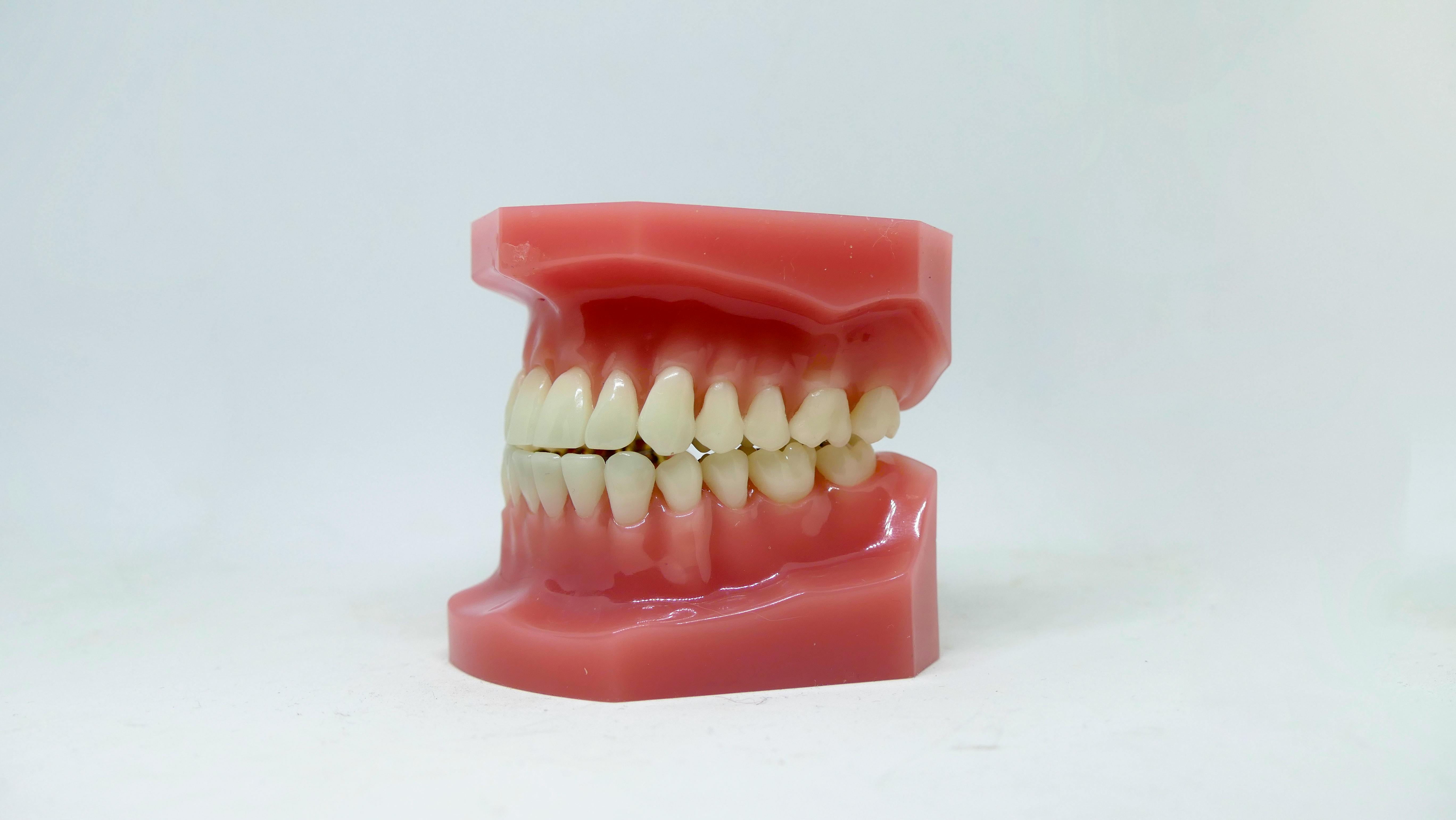
Losing a tooth can be a distressing experience, affecting not only one’s appearance but also oral function and overall health. Fortunately, modern dentistry offers a range of permanent tooth replacement options to restore both aesthetics and function. These solutions vary in terms of procedure, cost, durability, and suitability, allowing individuals to choose the best fit for their unique needs. Understanding these options is crucial in making an informed decision that aligns with personal health goals and lifestyle preferences.
Dental Implants
Dental implants are often considered the gold standard for permanent tooth replacement. They offer a durable and natural-looking solution by anchoring an artificial tooth root into the jawbone. This method provides several advantages:
- Longevity: With proper care, implants can last a lifetime.
- Stability: They function like natural teeth, allowing normal biting and chewing.
- Bone Preservation: Implants help prevent jawbone deterioration.
For those interested in pursuing this option, it is important to evaluate one’s bone health and consult with a professional. Discover expert strategies here.
Dental Bridges
Dental bridges are another viable option for replacing missing teeth. These involve placing a false tooth, or pontic, in the gap and securing it with crowns on the adjacent teeth. Benefits of dental bridges include:
- Quick Installation: Bridges can be completed in just a few dental visits.
- Cost-Effective: Generally less expensive than implants.
- Non-Surgical: Ideal for those who prefer a less invasive procedure.
While dental bridges offer a fast solution, they may require replacement after several years. Learn about our tailored solutions.
Partial Dentures
Partial dentures are removable appliances that can replace one or several missing teeth. They are custom-made to fit the patient’s mouth and can be easily removed for cleaning. Advantages of partial dentures include:
- Flexibility: Easily adjusted or repaired if needed.
- Affordability: Generally more affordable than other permanent solutions.
- Non-Commitment: No surgical procedures required.
Partial dentures may not offer the same stability as implants or bridges, but they provide a practical solution for many. Explore advanced guides and tips.
Considerations for Choosing the Right Option
Selecting the most suitable tooth replacement option involves evaluating several factors:
- Oral Health: The condition of the gums and bone structure.
- Budget: Financial considerations and potential insurance coverage.
- Lifestyle: How the choice will integrate with daily life and activities.
- Long-Term Goals: Desired outcomes in terms of durability and appearance.
It is recommended to consult with a dental professional to thoroughly discuss these aspects and make an informed choice. Find out more about this approach.
Each tooth replacement option presents its own set of benefits and considerations. Whether opting for implants, bridges, or partial dentures, the decision should be guided by personal needs and professional advice. With the right permanent tooth replacement, individuals can regain confidence in their smile and maintain optimal oral health.
