
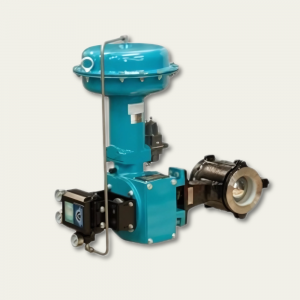
Pressure relief valves are critical components in various industrial processes, ensuring the safe and efficient operation of equipment and preventing potentially catastrophic consequences. However, like any mechanical system, they can fail, leading to costly downtime, damage to equipment, and even safety risks. Understanding the causes of pressure relief valve failure and the consequences of such events is essential for industries that rely on these devices.
Causes of Pressure Relief Valve Failure
Pressure relief valves can fail due to various reasons, including improper installation, inadequate maintenance, or worn-out components. In some cases, the failure may be attributed to the inherent design limitations of the valve or the materials used in its construction. For instance, a pressure relief valve may not be suitable for the specific application, leading to premature failure.
Design and Material Limitations
When selecting a pressure relief valve, it is essential to consider the specific requirements of the application, including the operating pressure, temperature, and fluid type. A valve that is not designed for the intended use may not function as expected, leading to failure. Moreover, the materials used in the construction of the valve may not be compatible with the fluid or environment, further increasing the risk of failure.
Consequences of Pressure Relief Valve Failure
The consequences of pressure relief valve failure can be severe, including equipment damage, downtime, and safety risks. In extreme cases, the failure may result in a catastrophic event, such as an explosion or fire. The financial implications of such an event can be significant, with costs ranging from equipment replacement to liability claims.
Prevention and Mitigation Strategies
To minimize the risk of pressure relief valve failure, it is essential to implement effective prevention and mitigation strategies. This includes regular maintenance, proper installation, and selection of suitable valves for the application. Additionally, industries can benefit from expert guidance on valve selection and maintenance, which can be found on Discover expert strategies here.
Best Practices for Pressure Relief Valve Maintenance
To ensure the reliable operation of pressure relief valves, regular maintenance is crucial. This includes inspecting the valve for signs of wear or damage, checking the valve’s settings and adjustments, and replacing worn-out components. Industries can also benefit from advanced guides and tips on pressure relief valve maintenance, which can be found on Explore advanced guides and tips.
Conclusion
Pressure relief valve failure can have severe consequences, including equipment damage, downtime, and safety risks. Understanding the causes of failure and implementing effective prevention and mitigation strategies is essential for industries that rely on these devices. By selecting suitable valves for the application, implementing regular maintenance, and seeking expert guidance, industries can minimize the risk of pressure relief valve failure and ensure the safe and efficient operation of equipment.
