
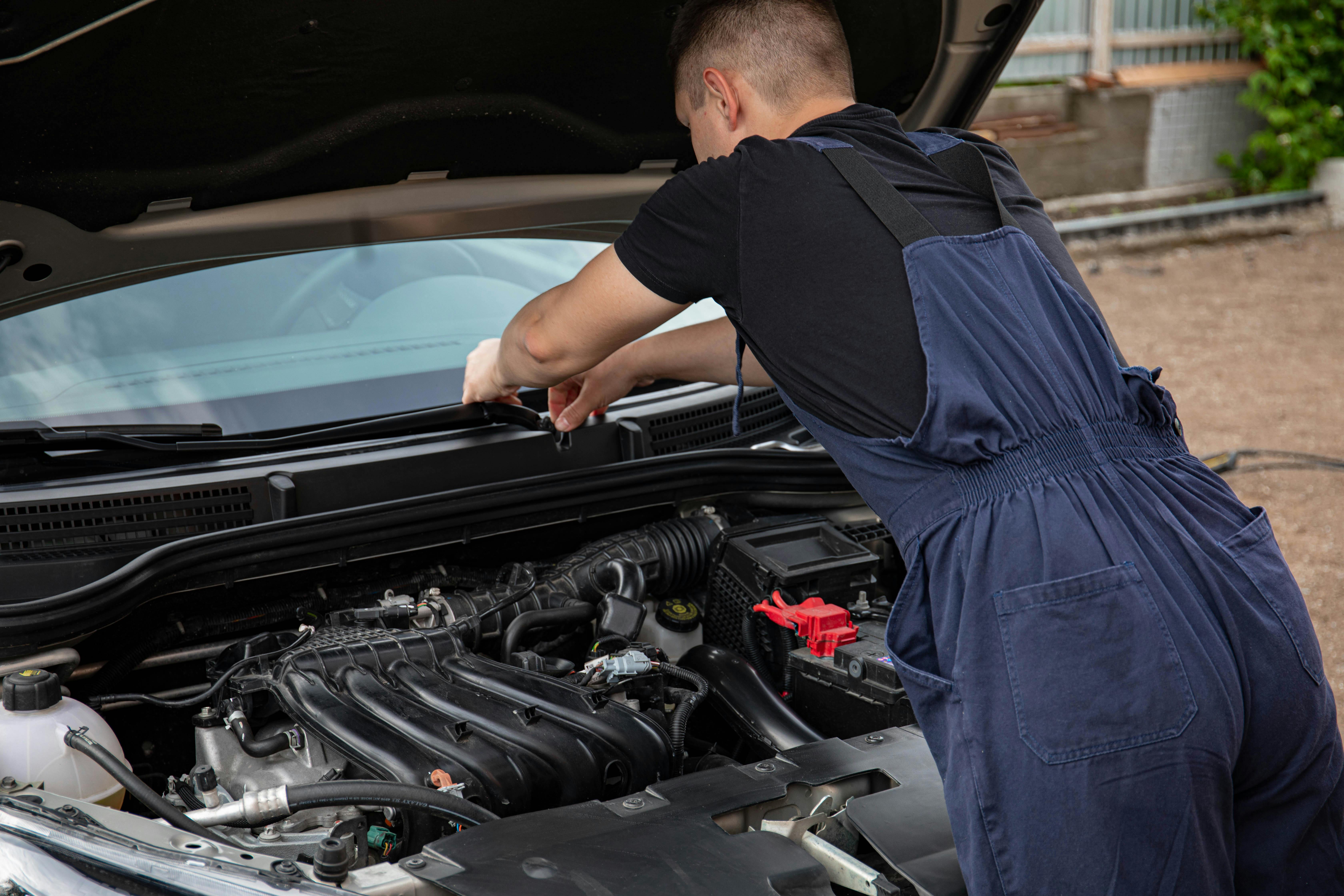
Car engines are complex machines that, over time, may encounter a variety of issues. These problems can vary from minor inconveniences to significant mechanical failures. Understanding common car engine issues and how to address them can save time and reduce repair costs. This article explores some quick fixes for frequently encountered engine problems, providing guidance for vehicle owners who wish to tackle minor repairs themselves.
Engine Won”?t Start
One of the most common issues car owners face is an engine that refuses to start. This problem can arise from various causes, making diagnosis essential.
- Dead Battery: Often, a dead battery is to blame. Ensure the battery terminals are clean and securely connected. If the battery is old, consider replacing it.
- Faulty Ignition Switch: If the battery is functioning well, a faulty ignition switch might be the culprit. Testing the ignition system using a voltmeter can help identify this issue.
- Starter Motor Issues: The starter motor might be failing. Listen for a clicking sound when turning the key, which indicates a problem. Learn more in this detailed guide.
Overheating Engine
An overheating engine can cause severe damage if not promptly addressed. Here are some quick fixes to consider:
- Check Coolant Levels: Ensure there is enough coolant in the system. Low coolant levels are a leading cause of engine overheating.
- Inspect Radiator: The radiator may be clogged or leaking. Clean any debris from the radiator and check for leaks.
- Thermostat Issues: A faulty thermostat can prevent coolant from circulating properly. Consider replacing it if overheating persists. Find additional information here.
Strange Engine Noises
Unusual noises from the engine can be unsettling and often indicate underlying problems.
- Knocking Sounds: These may occur due to engine detonation. Using higher-octane fuel or an octane booster can sometimes resolve this issue.
- Squealing Noises: Often caused by a worn-out serpentine belt. Inspect the belt for wear and replace it if necessary.
- Grinding or Tapping: Could indicate low oil levels or a failing oil pump. Check the oil level and address any leaks promptly. Read more about this topic.
Reduced Fuel Efficiency
When a vehicle starts consuming more fuel than usual, it can be both costly and inconvenient.
- Dirty Air Filters: Clogged air filters can reduce engine efficiency. Replace the air filter regularly to maintain optimal performance.
- Faulty Oxygen Sensor: A malfunctioning oxygen sensor can lead to poor fuel combustion. Replacing the sensor can significantly improve fuel efficiency.
- Mass Airflow Sensor: This sensor monitors air entering the engine. Clean or replace it if the fuel efficiency drops. Explore further insights here.
Conclusion
While some engine issues require professional intervention, many common problems have straightforward solutions that car owners can address themselves. By understanding the basic causes and solutions for frequent engine issues, vehicle owners can maintain their cars more effectively and prolong their lifespan. For more intricate problems, consulting a professional is always recommended to ensure safety and reliability. Find additional information here.
