
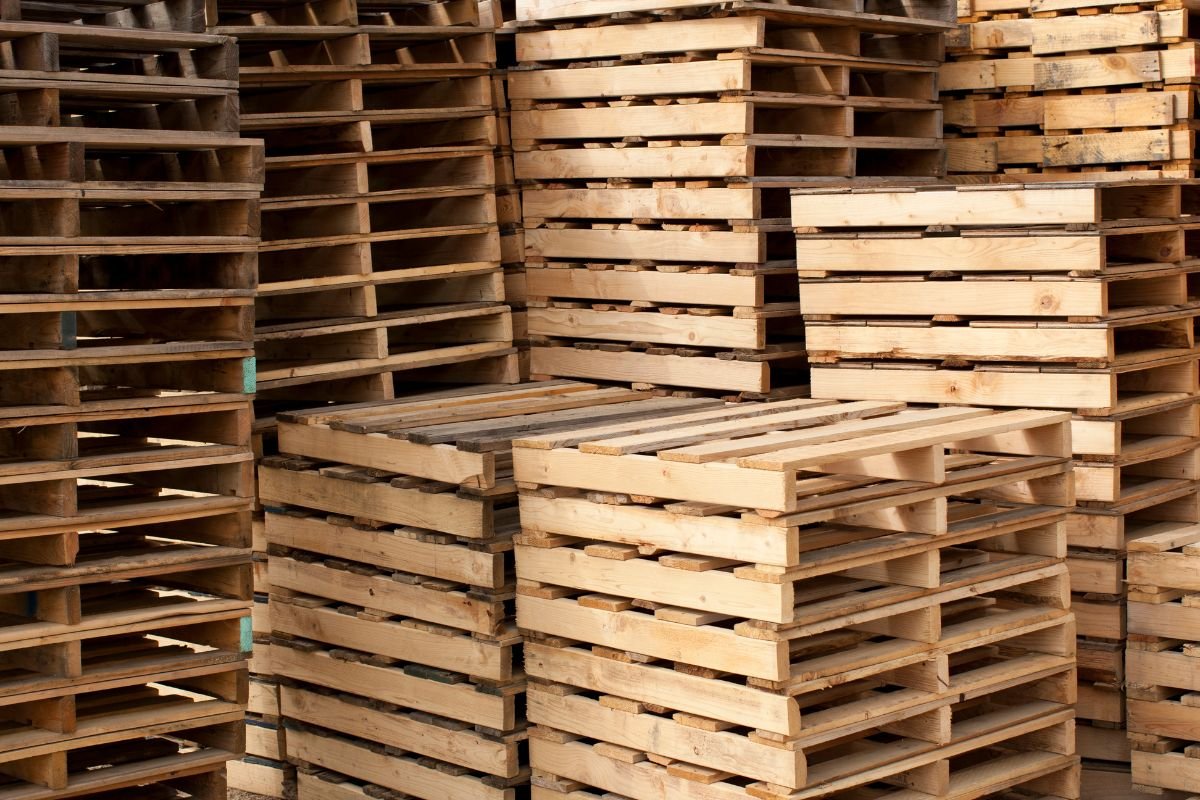
In today’s fast-moving supply chain environment, the choice of pallet material can dramatically influence operational efficiency, cost structure, and environmental impact. Timber pallets, with their proven durability and versatility, continue to be a cornerstone for businesses seeking reliable load-bearing solutions. This article explores how timber pallets enhance efficiency, lower expenses, and support sustainable logistics practices.
Why Timber Pallets Remain a Preferred Choice
Although alternative materials such as plastic and metal have gained market share, timber pallets offer a unique blend of benefits that align with the demands of modern supply chains.
- Strength and Load Capacity: Naturally strong wood fibers provide high compressive strength, allowing pallets to support heavy loads without deformation.
- Repairability: Damaged boards can be replaced or repaired on-site, extending pallet life and reducing replacement costs.
- Recyclability: At the end of their service life, timber pallets can be repurposed into mulch, biomass, or reclaimed wood products.
- Cost-Effectiveness: Compared with molded plastic, timber is generally less expensive to produce and purchase.
Impact on Supply Chain Efficiency
Streamlined Handling and Storage
Standardized dimensions and robust construction enable smoother handling with forklifts, pallet jacks, and automated systems. Consistency reduces the need for adjustments during loading and unloading, cutting cycle times.
Optimised Space Utilisation
Because timber pallets can be manufactured to exact specifications, they fit tightly within racking systems and transport containers, maximising cubic capacity. This optimisation translates directly into fewer shipments and lower freight expenses.
Improved Inventory Management
Durable pallets maintain their structural integrity over multiple trips, decreasing the frequency of pallet loss and misplacement. Better inventory control reduces the administrative burden and associated costs.
Cost Reduction Strategies Using Timber Pallets
Adopting timber pallets can lead to measurable savings across several cost centres:
- Lower Purchase Price: Bulk procurement of standard timber pallets often yields volume discounts.
- Extended Service Life: Regular maintenance and timely repairs keep pallets operational for years, postponing capital outlays.
- Reduced Damage Claims: Stronger pallets protect goods during transit, lowering the incidence of product damage and associated compensation.
- Recycling Revenue: End-of-life pallets can be sold to recycling firms, generating a modest return.
Environmental Advantages
Timber pallets contribute to a circular economy. Sourced from sustainably managed forests, they have a lower carbon footprint than many synthetic alternatives. Their ability to be repaired, reused, and ultimately recycled aligns with corporate sustainability goals and can support green certifications.
Choosing the Right Timber Pallet for Your Operation
Not all timber pallets are created equal. Selecting the appropriate type depends on load requirements, handling equipment, and regulatory considerations.
- Standard Pallets: Ideal for general freight, offering a balance of strength and cost.
- Heavy-Duty Pallets: Designed for exceptionally heavy or bulky items, featuring reinforced joists and thicker boards.
- Custom-Sized Pallets: Tailored dimensions ensure optimal fit for unique products or specialized storage systems.
For businesses seeking a reliable, widely accepted option, standard timber pallets provide a proven solution that integrates seamlessly with most handling equipment and logistics networks.
Implementation Best Practices
Assess Current Pallet Usage
Conduct an audit of existing pallet inventory to identify:
- Average load weights and dimensions.
- Frequency of pallet damage and repair costs.
- Compatibility with storage and transport equipment.
Establish Maintenance Protocols
Implement routine inspections and a repair schedule to extend pallet life. Simple actions such as tightening loose nails and replacing cracked boards can prevent catastrophic failures.
Partner with Experienced Suppliers
Working with a supplier that offers quality-controlled timber pallets ensures consistency and compliance with industry standards. Access to a range of sizes, including custom options, enables precise matching to operational needs.
Future Trends and Innovations
Advancements in wood treatment, such as heat-treatment and chemical preservatives, are enhancing durability and pest resistance, further solidifying timber pallets’ role in modern logistics. Additionally, integration of RFID tags and IoT sensors on pallets is improving real-time tracking and inventory visibility.
Adopting these innovations alongside traditional timber pallet advantages positions supply chains for greater resilience and cost efficiency.
Conclusion
Timber pallets remain a strategic asset for companies aiming to boost efficiency, cut costs, and advance sustainability goals. By leveraging their strength, reparability, and recyclability, organizations can streamline handling processes, optimise space, and reduce overall logistics expenditures. Selecting the appropriate pallet type, maintaining a robust repair program, and staying abreast of emerging technologies will ensure that timber pallets continue to deliver value across the supply chain.
For further insight into standard options that balance performance and affordability, explore the benefits of timber pallets as a foundational element of an efficient logistics strategy.
