
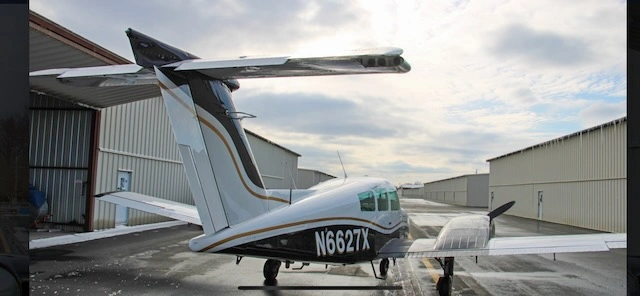
In a rapidly evolving aviation industry, pilots seeking to elevate their careers often look towards multi-engine training as a pivotal step. This specialized training not only enhances a pilot’s skill set but also opens doors to more advanced opportunities. With the increasing demand for pilots who can operate complex aircraft, mastering multi-engine planes is more important than ever. The ability to handle such aircraft is crucial for those aiming to fly commercially or for private charter companies. This article explores why multi-engine training is essential and how it can transform a pilot”?s career trajectory.
The Importance of Multi-Engine Training
Multi-engine training is vital for any pilot who intends to expand their career horizons. Here are some reasons why this training is indispensable:
- Enhanced Safety Skills: Pilots learn to manage more complex systems and handle emergency situations efficiently.
- Career Advancement: Many commercial airlines and charter companies require pilots to have multi-engine ratings.
- Broader Flight Opportunities: With this training, pilots can fly a wider range of aircraft, increasing their marketability and job prospects.
For those interested in detailed information on how multi-engine training can benefit their aviation careers, Discover expert strategies here.
Components of Multi-Engine Training
The multi-engine training program is comprehensive, covering various aspects necessary for mastering multi-engine aircraft:
Ground Training
- Aerodynamics of Multi-Engine Aircraft: Understanding the principles and forces at play.
- Systems Knowledge: In-depth study of the aircraft’s systems including engines, fuel, and electrical systems.
- Emergency Procedures: Training on handling engine failures and other critical scenarios.
Flight Training
- Engine-out Procedures: Practicing scenarios where one engine fails, and learning how to safely manage the situation.
- Advanced Maneuvers: Performing tasks that require precision and coordination, such as steep turns and stalls.
- Instrument Flying: Enhancing skills to fly in varied weather conditions using instruments alone.
For those eager to delve deeper into these training components, Learn about our tailored solutions.
Choosing the Right Training Program
When selecting a multi-engine training program, several factors should be considered to ensure the best possible outcome:
- Accreditation and Reputation: Choose a program recognized by aviation authorities with a proven track record.
- Instructor Expertise: Experienced instructors provide invaluable insights and guidance.
- Aircraft Availability: Access to well-maintained, reliable multi-engine aircraft is crucial for effective training.
Prospective pilots can Explore advanced guides and tips on selecting the most suitable training program.
The Long-Term Career Benefits
Achieving a multi-engine rating significantly impacts a pilot’s career in the long run:
- Increased Earning Potential: Multi-engine rated pilots often command higher salaries due to their specialized skills.
- Job Security: As air travel continues to grow, the demand for skilled multi-engine pilots remains strong.
- International Opportunities: This qualification opens doors to international flying positions, expanding career options globally.
For those looking to enhance their career prospects, Find out more about this approach.
In conclusion, multi-engine training is a crucial step for pilots aspiring to reach new heights in their aviation careers. It equips them with the skills necessary to handle more complex aircraft and enhances their employability in a competitive job market. By investing in this advanced training, pilots are not only improving their technical capabilities but also setting themselves up for a successful and rewarding career in aviation.
