
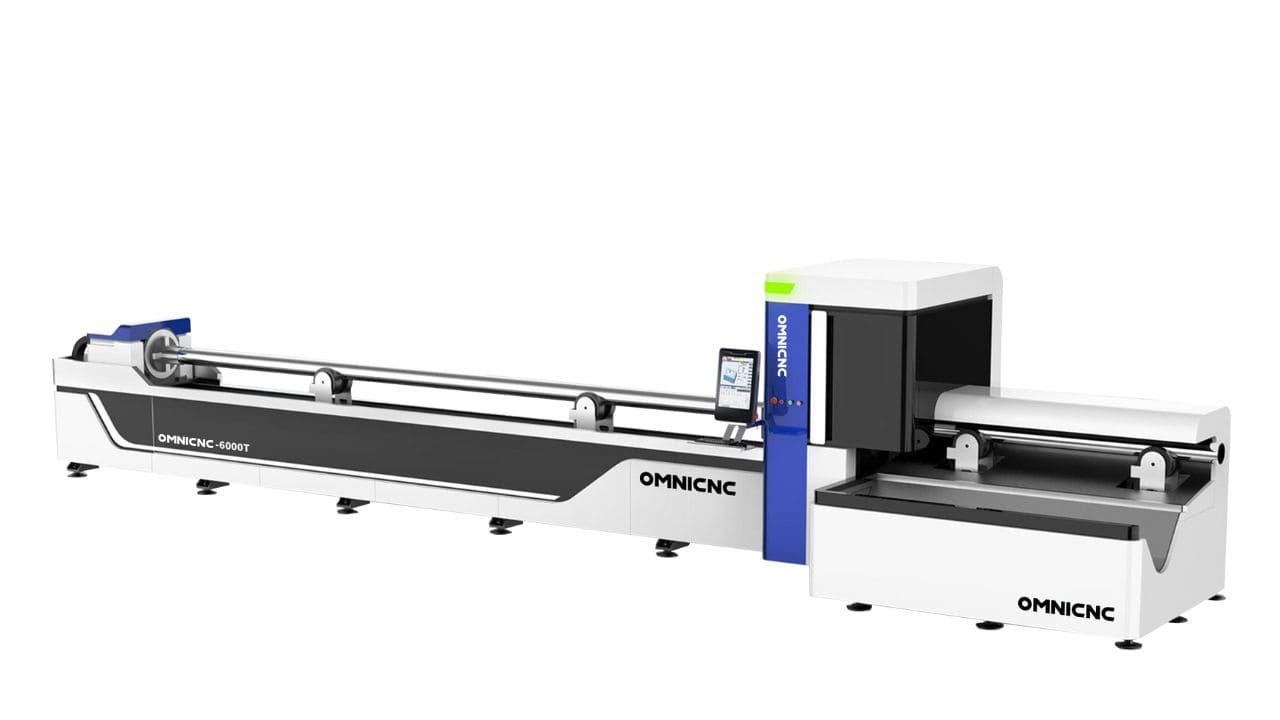
In modern manufacturing environments, the ability to cut metal tubes quickly, accurately, and consistently can be the difference between meeting tight deadlines and falling behind. A CNC tube cutting machine combines computer-numeric control precision with high-speed laser technology, delivering repeatable results while reducing manual labor and material waste. By integrating such equipment into a production line, manufacturers can streamline workflows, lower operating costs, and improve overall product quality.
Key Advantages of CNC Tube Cutting Technology
When evaluating equipment for tube fabrication, several performance factors stand out:
- Precision Cutting: Laser-guided CNC systems achieve tolerances within ??0.02″?mm, ensuring each piece meets exact specifications.
- Speed and Throughput: Automated loading and cutting cycles can process dozens of tubes per minute, dramatically increasing output.
- Material Versatility: Capable of handling stainless steel, aluminum, brass, and specialty alloys without extensive re-tooling.
- Reduced Waste: Optimized nesting algorithms minimize scrap, contributing to lower material costs.
- Enhanced Safety: Enclosed workspaces and automated operation lower the risk of operator injury.
Integrating a CNC Tube Cutting Machine into Existing Workflows
Successful adoption requires thoughtful planning. Below are practical steps to ensure a smooth transition:
1. Assess Production Requirements
- Identify the most common tube diameters, wall thicknesses, and material types.
- Calculate required daily output to match demand forecasts.
- Map current bottlenecks where manual cutting slows the line.
2. Choose the Right Machine Specifications
Not every CNC cutter fits every shop floor. Consider factors such as cutting head power, work-area dimensions, and automation level. For detailed specifications, Discover expert strategies here.
3. Implement Software Integration
- Connect the CNC controller to existing CAD/CAM systems for seamless file transfer.
- Utilize nesting software to maximize material usage.
- Set up real-time monitoring dashboards to track performance metrics.
4. Train Personnel
Even the most advanced machine requires skilled operators. Conduct hands-on training sessions that cover:
- Basic CNC programming concepts.
- Safety protocols for laser operation.
- Routine maintenance and troubleshooting.
Cost-Effectiveness and Return on Investment
While the upfront capital expense can be significant, the long-term savings often justify the purchase. Key financial benefits include:
- Labor Reduction: Automation replaces multiple manual stations, cutting labor hours by up to 60%.
- Energy Efficiency: Modern laser systems consume less power than traditional mechanical saws.
- Lower Scrap Rates: Precise cuts reduce rework and material discard.
- Extended Tool Life: Non-contact laser cutting eliminates wear on blades and dies.
For a deeper dive into cost analysis and ROI modeling, Learn about our tailored solutions.
Maintenance Best Practices
Consistent upkeep ensures the machine remains at peak performance. Follow these guidelines:
- Schedule weekly lens cleaning to maintain beam quality.
- Inspect gas supply lines for leaks and replace filters quarterly.
- Run diagnostic software monthly to detect alignment drift.
- Keep a log of runtime hours and component replacements for warranty tracking.
Additional maintenance tips and troubleshooting advice can be found in the Explore advanced guides and tips section.
Future Trends in CNC Tube Cutting
The industry continues to evolve, driven by advancements in laser sources, AI-based optimization, and IoT connectivity. Emerging developments include:
- Fiber Laser Upgrades: Offering higher efficiency and lower operating costs.
- Predictive Analytics: Machine learning models that anticipate maintenance needs before failures occur.
- Remote Monitoring: Cloud-based dashboards that allow supervisors to oversee multiple machines across sites.
Staying informed about these innovations helps manufacturers maintain a competitive edge. To explore how these technologies can be applied today, Find out more about this approach.
Conclusion
Adopting a CNC tube cutting machine represents a strategic investment in efficiency, accuracy, and safety. By carefully selecting the right equipment, integrating it with existing systems, and adhering to disciplined maintenance practices, manufacturers can unlock significant productivity gains and position themselves for future growth. The combination of precision laser technology and robust CNC control delivers the consistency required for high-volume production while reducing waste and labor costs, making it an essential tool for forward-looking fabrication facilities.
