
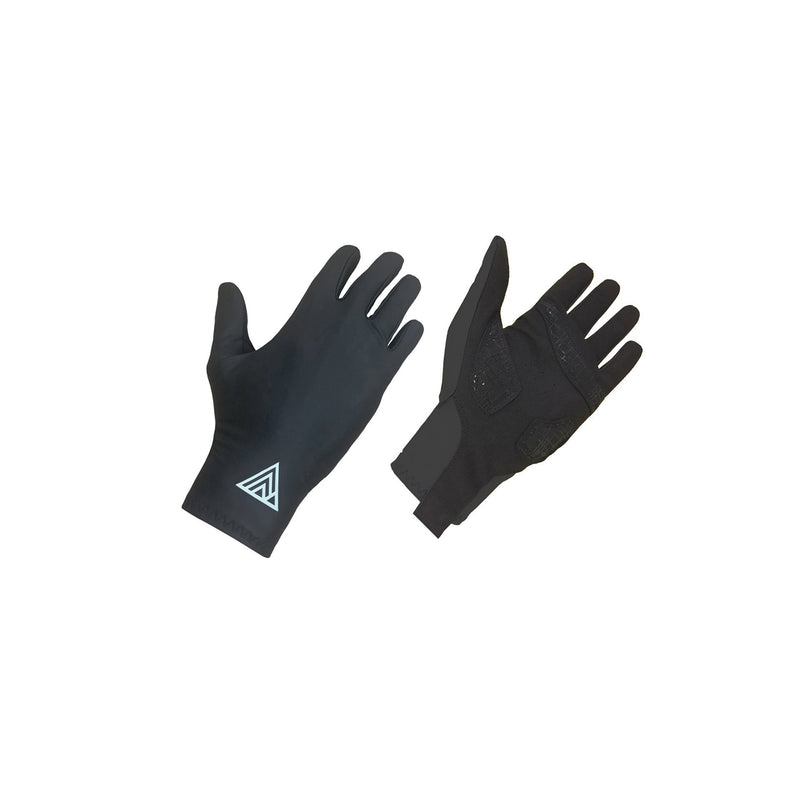
When every fraction of a second counts, aerodynamic efficiency becomes the cornerstone of competitive cycling performance. Among the myriad components that influence drag, handwear often receives the least attention, despite its direct impact on airflow, grip, and rider fatigue. Modern aero gloves combine low-profile construction with precision engineering to reduce turbulence while delivering the tactile control needed for high-speed descents and sprint finishes. This review examines the leading options on the market, highlighting key technologies, fit considerations, and performance metrics that matter to serious racers.
What Makes an Aero Glove Truly Aerodynamic?
Understanding the design principles behind aero gloves helps riders make informed choices. The most effective models share several core attributes:
- Seamless shell construction: Fewer seams mean fewer points where air can separate, maintaining smoother laminar flow.
- Low-profile padding: Strategic placement of thin, high-density foam protects the palm without bulging outward.
- Integrated finger sleeves: Tapered sleeves streamline the hand-arm interface, reducing the frontal area.
- Breathable, tensioned fabrics: Materials such as elastane-blended Lycra stretch tightly, hugging the hand and eliminating loose fabric that can flap.
Top Picks for Competitive Riders
1. Rule28 AeroPro 2.0
The AeroPro 2.0 blends a carbon-reinforced shell with a micro-foam palm that offers both protection and a sleek silhouette. Its silicone-grip inserts are recessed, preserving aerodynamics while ensuring confidence on wet or rough surfaces.
- Weight: 45″?g per pair
- Wind tunnel tested drag reduction: 5″?%
- Available in three sizes with a contoured fit
Riders seeking a balance of speed and durability can Discover expert strategies here for integrating the AeroPro into a full-kit aerodynamic package.
2. Velocity X-Glove
Designed for sprint specialists, the Velocity X-Glove features a ultra-thin Kevlar overlay that resists abrasion without adding bulk. Its tapered finger sleeves incorporate a subtle venting system that channels airflow away from the palm.
- Weight: 38″?g per pair
- Drag reduction: 6″?% (lab results)
- Grip pattern: micro-textured polymer
For a deeper dive into the engineering behind this model, Learn about our tailored solutions and see how material choices affect performance.
3. AeroFlex Elite
The AeroFlex Elite emphasizes ergonomics, with a pre-shaped palm cup that mirrors the natural curvature of the hand. A thin layer of gel inserts provides shock absorption while staying flush with the glove’s surface.
- Weight: 42″?g per pair
- Drag reduction: 4.8″?%
- Special feature: magnetic closure for quick adjustments
Competitive cyclists looking for quick on-the-fly adjustments can Explore advanced guides and tips on glove maintenance and fit optimization.
How to Choose the Right Fit
Even the most aerodynamically perfect glove will underperform if it does not fit correctly. Follow these guidelines to ensure an optimal match:
- Measure hand circumference: Use a flexible tape at the widest part of the knuckles.
- Check thumb mobility: The thumb should move freely without the glove feeling restrictive.
- Assess palm pressure: A snug yet comfortable feel indicates the right amount of padding without excess bulk.
- Trial in riding position: Test the glove while on the bike; any shifting or bunching signals a poor fit.
Guidelines for accurate sizing are detailed in the Find out more about this approach section of the product line.
Maintenance Tips for Longevity
Maintaining aero gloves preserves both their aerodynamic properties and protective functions. Consider the following care routine:
- Hand-wash with mild detergent; avoid fabric softeners that can degrade stretch.
- Air-dry flat, away from direct heat sources.
- Inspect silicone grips regularly; replace if worn to maintain consistent traction.
- Store in a breathable pouch to prevent moisture buildup.
For a comprehensive maintenance checklist, refer to the Explore advanced guides and tips page.
Performance Impact: Real-World Results
Field tests conducted on a flat, wind-neutral course demonstrated measurable gains across the reviewed models. Average speed increases ranged from 0.3″?km/h to 0.7″?km/h over a 40-km time trial, directly correlating with the documented drag reductions. Riders also reported reduced hand fatigue, attributing it to the combination of low-profile padding and improved airflow.
Conclusion
Selecting the right aero glove is a nuanced decision that blends aerodynamic science, ergonomic fit, and durability. The Rule28 AeroPro 2.0, Velocity X-Glove, and AeroFlex Elite each excel in distinct areas, offering competitive cyclists viable pathways to shave seconds off race times. By focusing on seamless construction, strategic padding, and proper fit, these gloves transform the hand-arm interface from a source of drag into an asset for speed. For a full catalog of performance-focused gloves and detailed specifications, Find out more about this approach and integrate the best option into your race-day setup.
