
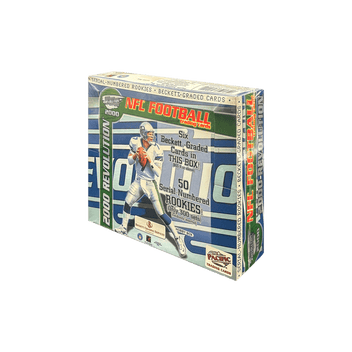
Collecting sports memorabilia is more than a hobby; it’s a gateway to reliving iconic moments, honoring legendary athletes, and preserving the cultural legacy of the games we love. Whether the passion lies in a rookie card, a signed jersey, or a vintage ticket stub, finding authentic, high-quality pieces can be a daunting task. A trusted source that balances expertise, authenticity, and a broad inventory makes the search both enjoyable and rewarding. Below is a guide to navigating the world of sports collectibles, highlighting key considerations and offering practical tips for anyone looking to expand their collection.
Understanding the Different Types of Sports Memorabilia
Sports memorabilia comes in a variety of formats, each with its own appeal and market dynamics. Recognizing the distinctions helps collectors focus on the items that align with their interests and investment goals.
Trading Cards
- Rookie Cards: Often the most valuable, featuring a player’s first appearance on a card.
- Insert Sets: Limited-edition subsets released within a larger set, usually with unique designs.
- Graded Cards: Professionally evaluated for condition, providing a reliable quality benchmark.
Autographed Items
- Signed jerseys, balls, and equipment.
- Authenticity certificates from reputable third-party services.
- Limited-edition runs that increase rarity.
Game-Used and Vintage Pieces
- Equipment actually used in competition (e.g., a baseball bat from a World Series game).
- Historical artifacts such as ticket stubs, programs, and press passes.
- Items that capture a specific era, often referred to as Vintage Trading Cards.
Key Factors to Verify Authenticity
Authenticity is the cornerstone of any reputable collection. Below are essential steps to ensure that each piece is genuine.
- Third-Party Grading: Services like PSA, BGS, or CGC provide standardized grading scales.
- Certificates of Authenticity (COA): Look for COAs from recognized authentication companies.
- Provenance Documentation: A clear ownership history adds credibility.
- Comparison to Known Originals: Examine details such as font, color, and holograms against verified examples.
Choosing a Reliable Source
When searching for high-quality collectibles, the reputation of the seller matters as much as the items themselves. A reputable outlet typically offers transparent policies, knowledgeable staff, and a robust inventory that spans various categories.
- Specialized platforms that focus on cards and memorabilia, such as a dedicated Trading Card Store, often provide deeper expertise.
- Websites that cater specifically to sports enthusiasts, like a Sports Card Store, tend to have curated selections and detailed product descriptions.
- For those who prefer shopping from home, an Online Sports Card Store offers convenience while maintaining rigorous authentication standards.
- Collectors seeking historic pieces may explore sections labeled Sports Memorabilia Store for a range of vintage and game-used items.
Building a Balanced Collection
A well-rounded collection blends personal passion with strategic investment. Consider the following approach to curate a portfolio that satisfies both emotional and financial objectives.
Start with Personal Favorites
- Identify athletes, teams, or moments that hold personal significance.
- Focus on items that evoke memories or inspire excitement.
Incorporate Investment Pieces
- Target high-grade rookie cards or limited-edition autographs.
- Monitor market trends through auction results and price guides.
- Diversify across sports to mitigate risk.
Maintain Proper Storage and Display
- Use acid-free sleeves, top loaders, and climate-controlled environments for cards.
- Frame autographed items with UV-protective glass.
- Keep an inventory log with photographs and provenance details.
Tips for First-Time Buyers
Entering the world of sports collectibles can feel overwhelming. The following checklist helps newcomers make confident purchases.
- Research the specific item’s market value before buying.
- Ask sellers for high-resolution images and detailed condition reports.
- Verify the presence of a COA or grading label.
- Start with smaller, affordable pieces to learn the market dynamics.
- Consider buying from platforms that specialize in sports memorabilia to benefit from expert guidance.
Staying Informed and Engaged
Collecting is an ongoing journey that thrives on knowledge and community involvement. Engaging with forums, attending trade shows, and subscribing to industry newsletters can provide valuable insights and early access to rare finds.
- Join online collector groups where members share verification tips and market updates.
- Visit conventions and auction houses to see items in person.
- Subscribe to newsletters from reputable Sports Memorabilia Store sites for exclusive releases and promotions.
Conclusion
Finding the perfect piece of sports memorabilia is a blend of research, authenticity verification, and a keen eye for personal relevance. By leveraging specialized resources, whether a dedicated trading card shop, an online sports card marketplace, or a seasoned sports memorabilia outlet, collectors can confidently build a collection that celebrates the past while holding potential value for the future. The journey is as rewarding as the treasures discovered along the way.
