
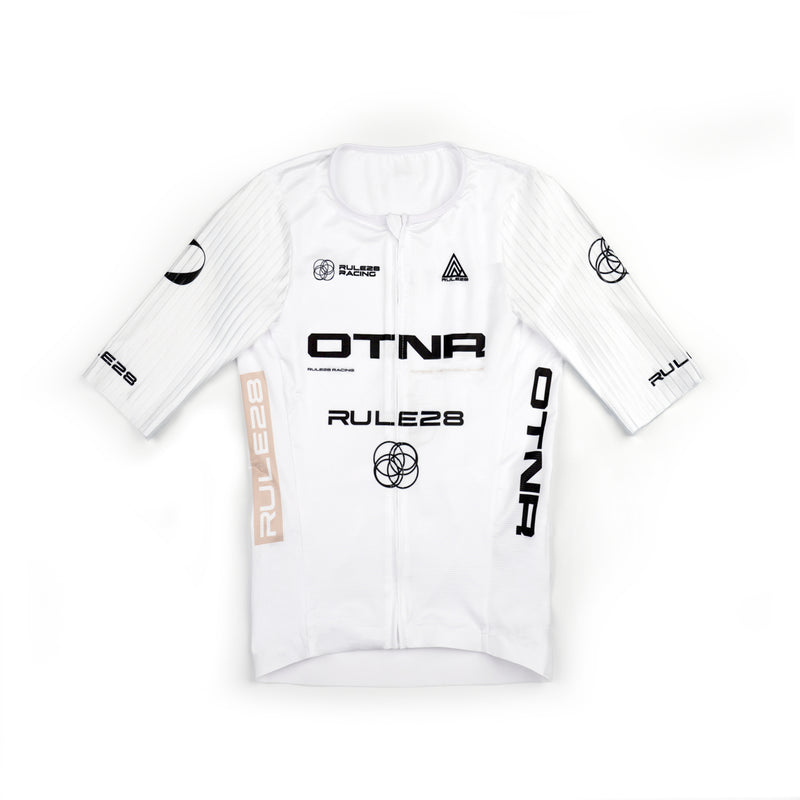
In the competitive world of cycling, every second counts. Athletes constantly seek innovative ways to enhance their performance, and one of the most significant advancements in cycling apparel is the development of the aerodynamic jersey. The science behind this garment is fascinating, leveraging principles of physics to minimize air resistance and improve a cyclist’s speed and efficiency. Understanding the design and function of an aero jersey offers insight into how this piece of apparel has become indispensable for serious cyclists.
The Physics of Aerodynamics in Cycling
The primary goal of an aerodynamic cycling jersey is to reduce drag, which is the resistance a cyclist faces when moving through the air. Drag consists of two main components: form drag and skin friction drag. Form drag is influenced by the shape of the cyclist, while skin friction drag relates to the texture of the cyclist’s clothing.
Form Drag
To combat form drag, an aero cycling jersey is designed to fit snugly against the cyclist’s body, minimizing the air pocket that forms behind them. This streamlined fit helps the cyclist cut through the air more efficiently, reducing the amount of energy expended to maintain speed.
Skin Friction Drag
The texture of the fabric plays a crucial role in reducing skin friction drag. Specially engineered materials are used in the construction of an aero bike jersey to create a smooth surface that allows air to flow over the body with minimal resistance. This reduction in drag translates to improved speed and endurance during a race.
Innovative Design Features of Aero Jerseys
An aero jersey incorporates several design elements that enhance its aerodynamic properties. These features are the result of extensive research and testing, ensuring that each jersey provides maximum performance benefits.
- Seamless Construction: Seams can cause turbulence in the airflow, increasing drag. Many aero jerseys utilize seamless or strategically placed seams to maintain smooth air movement over the body’s surface.
- Compression Fit: A tight, compression fit reduces the amount of fabric fluttering in the wind, which can disrupt airflow and increase drag.
- Advanced Fabrics: Specialized materials that wick moisture and offer breathability are also designed to maintain a smooth exterior texture.
- Strategic Ventilation: Laser-cut holes or mesh panels are often incorporated without compromising the aerodynamic profile, ensuring that the cyclist remains cool and comfortable.
The Impact on Performance
The adoption of aerodynamic jerseys has a measurable impact on cycling performance. Studies have shown that the use of such apparel can reduce drag by up to 5%, translating to significant time savings over the course of a race. For professional cyclists, this advantage can mean the difference between finishing in the middle of the pack and standing on the podium.
Furthermore, the energy savings gained from reduced drag allow cyclists to maintain higher speeds for longer periods, improving overall stamina and reducing fatigue. This is particularly advantageous in endurance events where energy conservation is critical.
Conclusion
The science behind the aerodynamic jersey underscores its importance in modern cycling. By effectively reducing both form and skin friction drag, these jerseys allow cyclists to achieve greater speeds with less effort. The combination of cutting-edge materials and innovative design features makes the aerodynamic cycling jersey an essential tool for anyone serious about improving their performance on the bike. As technology continues to advance, the evolution of cycling apparel will undoubtedly lead to even more remarkable developments, further pushing the boundaries of what athletes can achieve.
